










Absolute Journal
How to Combat Winter Condensation With the Right Blinds
How to Combat Winter Condensation With the Right Blinds
Waking up to windows covered in condensation can be a frustrating part of winter. It makes rooms feel damp, obstructs your view, and can lead to bigger problems like mould and mildew. Condensation during the colder months can create a feeling of dampness and discomfort in your home. Thankfully, choosing the right blinds helps manage this moisture while adding a layer of warmth and style to your space.
As a family-run business with over 15 years of experience, we understand the challenges homeowners face. We're here to offer practical advice to help you create a comfortable and beautiful home.
So, What Are the Causes of Condensation?
Condensation is a simple science. It forms when warm, moist air inside your home comes into contact with a cold surface, like your window panes. This is especially common in winter when the temperature difference between your heated interior and the chilly outside is at its most extreme. Everyday activities, such as cooking, showering, and even breathing, release moisture into the air. When this humid air hits a cold window, it cools rapidly and releases the water onto the glass.
While a little bit of morning mist on the windows might seem harmless, persistent condensation can damage window frames, peel paint, and encourage the growth of unhealthy mould. Managing indoor humidity and insulating your windows are two of the most effective ways to combat this issue.

Winter Warmth and Style: How Window Blinds Can Transform Your Home
Window blinds do much more than just dress up your windows and provide privacy. They are a key tool in regulating your home's indoor temperature and improving airflow. By adding an extra layer of insulation, they create a barrier between the warm room and the cold glass. This simple addition helps keep warmth in and significantly reduces the chances of condensation forming.
The right blinds can trap a layer of air, which acts as an insulator. This not only helps with moisture control but also contributes to a more energy-efficient home by reducing heat loss. So, do blinds help with condensation? Absolutely. They are a stylish and functional solution for a warmer, drier home.
A Guide to the Best Blinds for Windows With Condensation
When dealing with moisture, the material and design of your blinds are crucial. You need something durable that can handle a bit of dampness without warping, staining, or deteriorating. Here are some of the best blinds for condensation.
Venetian Blinds for Built-in Durability by Design
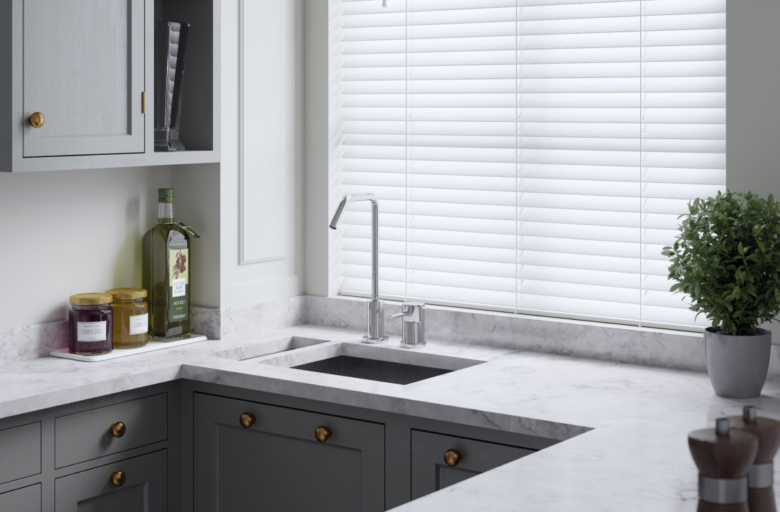
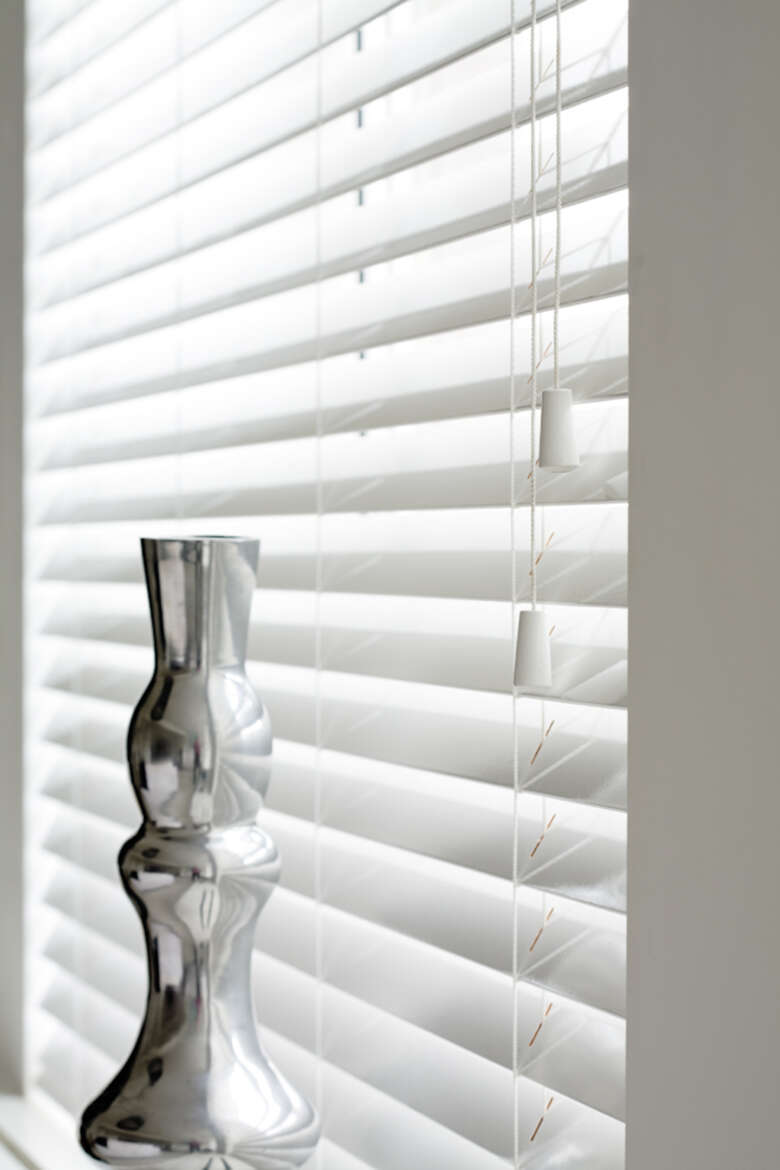
Venetian blinds are a classic and highly practical choice for rooms prone to condensation, like kitchens and bathrooms. Made from either water-resistant aluminium or faux wood, these blinds are built to last. They won’t warp or crack when exposed to moisture, unlike real wood blinds.
The key benefit of Venetian blinds is their adjustable slats. You can easily tilt them to control airflow near the window, which helps to prevent moist air from becoming trapped against the cold glass. This simple act of adjusting the slats promotes air circulation and helps the moisture evaporate, making them one of the best choices for managing winter condensation.
Vertical Blinds to Control Your Humidity Levels in Style
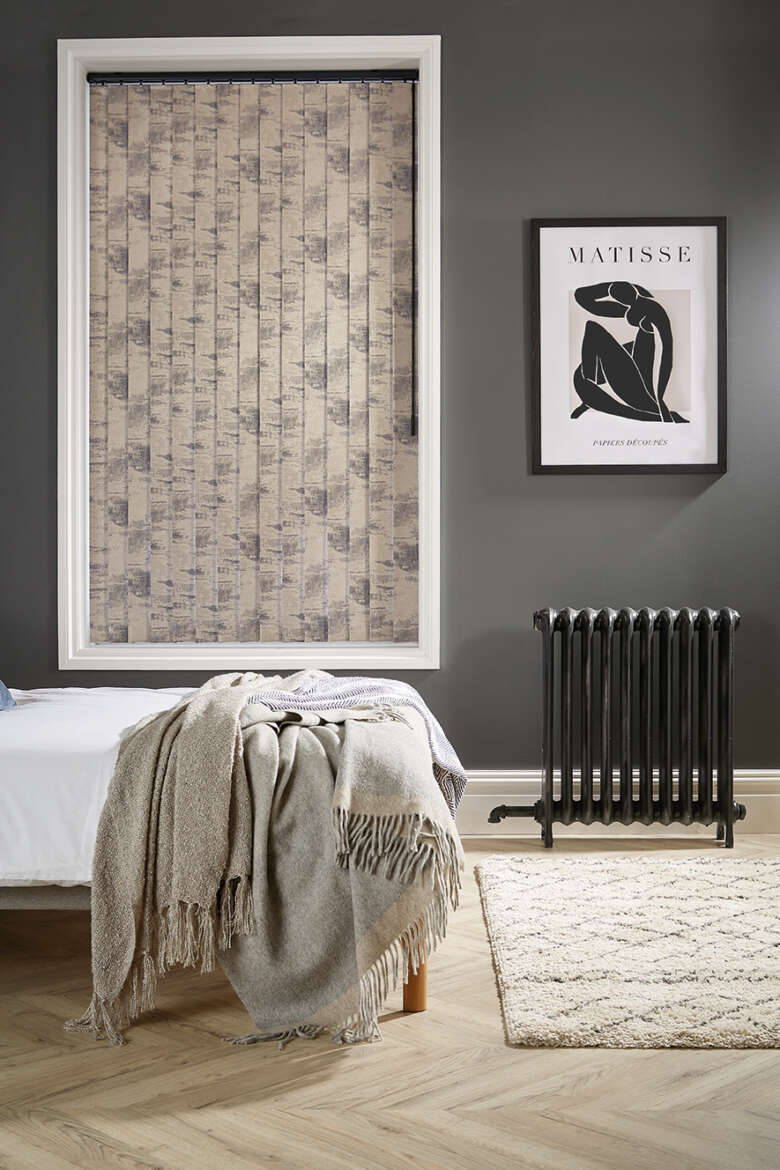
Vertical blinds offer similar benefits to Venetian blinds but are often better suited for larger windows, patio doors, and conservatories. Their slats hang vertically, which allows moisture to drip down and away without pooling. Like their horizontal counterparts, they are available in moisture-resistant materials such as vinyl and PVC.
The ability to precisely control the angle of the slats gives you command over both light and airflow. You can keep them slightly open to maintain air circulation while still ensuring privacy. This makes them another excellent option for keeping condensation at bay.

Absolute Blinds' Wider Considerations on the Best Blinds for Windows With Condensation
Beyond the popular choices, other specialised blinds offer superior performance in fighting condensation and improving insulation.
Thermal blinds are an outstanding choice for insulation. They feature a special reflective lining that helps to keep rooms warm and dry by bouncing heat back into the room. This increased surface temperature on the inner pane of glass makes it much harder for condensation to form.
For ultimate insulation, honeycomb blinds (also known as cellular blinds) are hard to beat. These blinds are cleverly designed to trap air within their unique honeycomb-shaped pockets. This structure creates a powerful insulating barrier that dramatically reduces heat loss through your windows and, as a result, minimises condensation. They are highly effective blinds for winter condensation problems.
For a seamless look, Perfect Fit blinds are an innovative solution. These blinds clip directly into your uPVC window frame, leaving no gaps. This snug fit enhances insulation and helps prevent condensation from forming around the edges of the glass. When you're searching for "perfect fit blinds condensation," you'll find they are a top-tier solution that combines sleek design with functional excellence.
Your Home, Comfortable and Condensation-Free
Condensation doesn’t have to be a persistent winter problem. With the right blinds, you can effectively protect your windows, improve your home’s insulation, and enjoy a much more comfortable living environment. From the stylish control of Venetian blinds to the superior insulation of honeycomb designs, there is a perfect solution for every home.
The team at Absolute Blinds is here to help. We provide expert guidance from our showroom at 25 Brownfields, Welwyn Garden City, Hertfordshire, AL7 1AN. Book a consultation today, and let us help you transform your home.
Frequently Asked Questions (FAQs)
Can blinds really reduce condensation?
Yes, they can. Blinds help by creating an insulating layer between the room's warm air and the cold windowpane. This keeps the glass surface warmer, reducing the likelihood of water vapour condensing on it. Blinds with adjustable slats, like Venetian or vertical blinds, also allow you to improve airflow, which further helps to manage moisture.
How do I maintain blinds in winter?
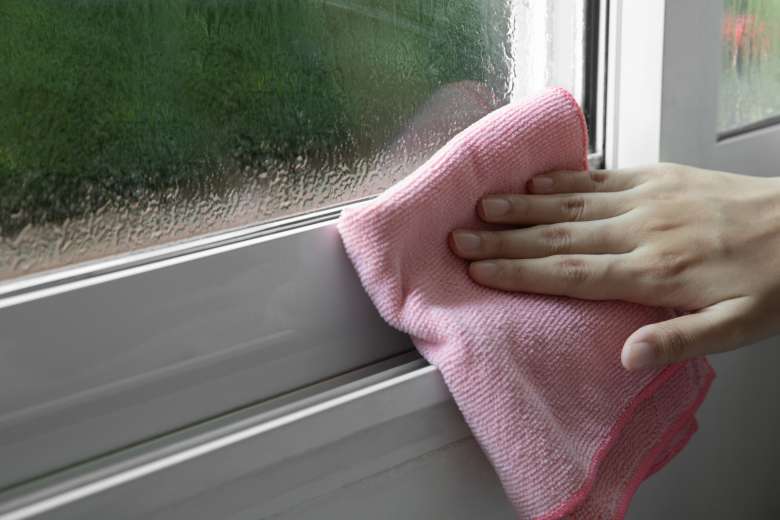
To maintain your blinds, regularly wipe them down with a dry, soft cloth to remove any moisture that may have collected. For PVC or aluminium blinds, you can use a damp cloth if needed. It's also a good practice to open the blinds fully for a while each day to allow air to circulate freely around the window and help any trapped moisture to evaporate.
Which blind materials are best for humid environments?
Materials that are non-porous and water-resistant are ideal. Faux wood, PVC, and aluminium are the best choices for humid environments like kitchens and bathrooms. These materials will not warp, peel, or harbour mould when exposed to moisture, ensuring they stay looking great for years.