


Absolute Journal
How Long Do Blinds and Shutters Last?
When investing in new window coverings, appearance and practicality are usually the first things homeowners consider. However, another important question is how long those blinds or shutters will actually last. Whether you're choosing roller blinds for a busy kitchen, Roman blinds for a bedroom or plantation shutters for a living room, understanding their expected lifespan can help you choose a solution that offers good value over time.
The lifespan of blinds and shutters depends on several factors, including the materials used, the quality of the operating mechanisms, how frequently they're used and the conditions within the room. Some blinds may need replacing after five to seven years, while well-maintained shutters can remain functional and attractive for decades. Choosing quality materials and ensuring the window coverings are correctly fitted can make a considerable difference to their durability.
In our experience, homeowners often underestimate how much everyday care and proper installation can extend the life of their window coverings. A well-made blind that is operated carefully and cleaned regularly can provide years of reliable service, while poorly fitted products may develop problems much sooner. In this guide, we'll explain how long different types of blinds and shutters typically last, what affects their durability and when replacing them makes more sense than repairing them.
How Long Do Different Types of Blinds Last?
There isn't a universal lifespan for window blinds because each style uses different materials and operating systems. Fabric blinds, for example, can experience fading and wear over time, while Venetian blinds may be more susceptible to bent slats or damaged mechanisms. The following figures are broad estimates for good-quality products under normal household conditions rather than guaranteed lifespans.
Type of window covering | Typical estimated lifespan |
Roller blinds | 5–10 years |
Roman blinds | 7–12 years |
Venetian blinds | 7–15 years |
Vertical blinds | 5–10 years |
Pleated blinds | 5–10 years |
Cellular blinds | 7–12 years |
Wooden shutters | 15–25+ years |
Composite shutters | 15–25+ years |
These estimates can vary considerably. Products exposed to strong sunlight, excessive moisture or heavy daily use may deteriorate more quickly, while high-quality window coverings in suitable conditions can last longer. Our complete range of blinds includes different styles and materials, allowing homeowners to consider durability alongside appearance and functionality.

How Long Do Roller Blinds Last?
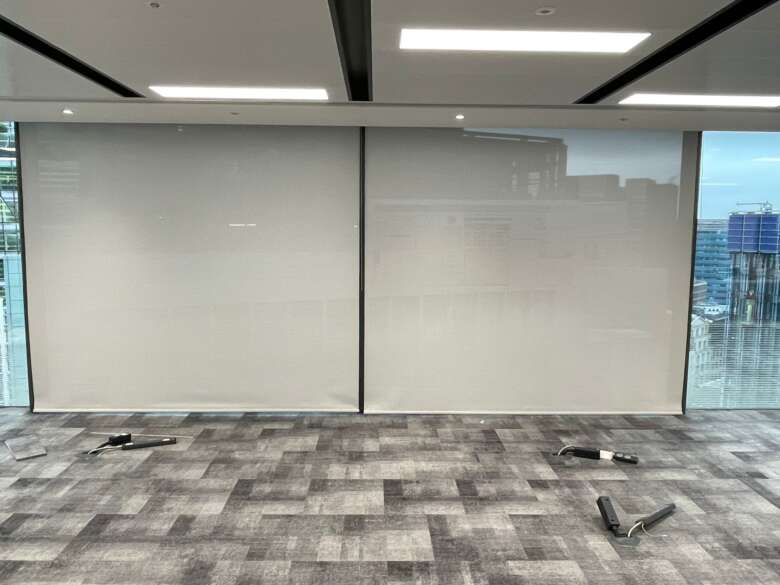
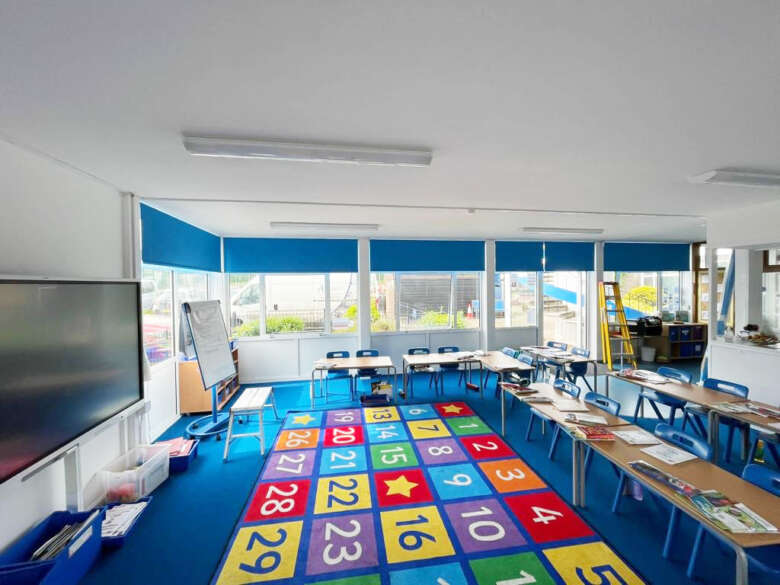
Roller blinds typically last around five to ten years, although their lifespan depends heavily on fabric quality and the condition of the operating mechanism. Their relatively simple construction makes them a practical choice for rooms where blinds are raised and lowered frequently.
One of the most common reasons roller blinds need replacing is wear to the mechanism rather than the fabric itself. Chains, brackets and internal components can gradually deteriorate, particularly when blinds are pulled unevenly or operated with excessive force. Fabric may also fade after prolonged exposure to direct sunlight, especially on south-facing windows.
We generally recommend choosing suitable performance fabrics for rooms exposed to moisture or strong sunlight. For example, moisture-resistant materials are preferable in bathrooms, while appropriate solar-control fabrics can help reduce the effects of prolonged sunlight. Our roller blinds offer a practical starting point for homeowners looking for window coverings that balance durability, ease of maintenance and everyday functionality.
How Long Do Roman Blinds Last?
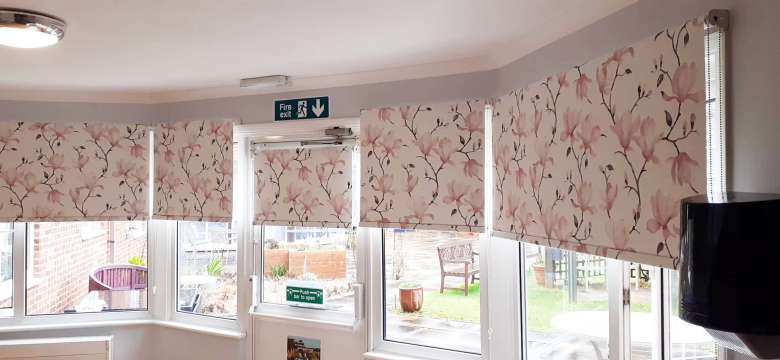
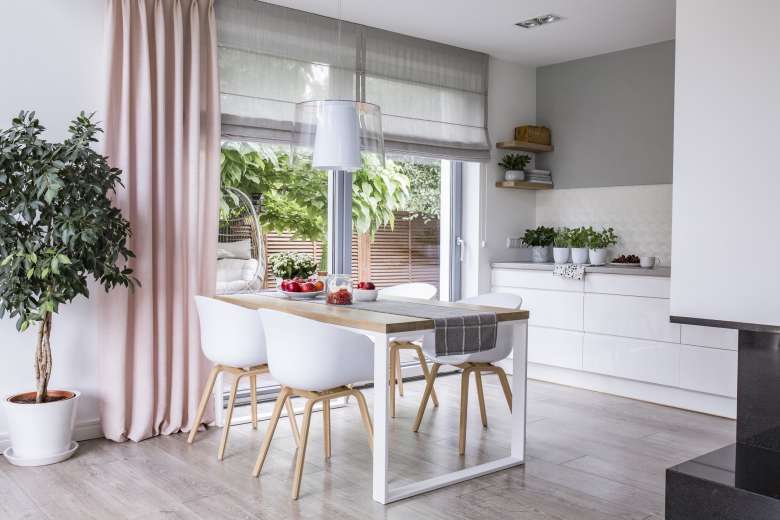
Roman blinds generally have an estimated lifespan of seven to twelve years when properly maintained. Their durability depends on the main fabric, lining, stitching and lifting mechanism, as well as how frequently they're operated.
Unlike roller blinds, Roman blinds contain fabric folds that gather as the blind is raised. These folds create their distinctive appearance, but they also mean the fabric experiences repeated movement in particular areas. Over time, some materials may develop creases, fading or wear, especially when exposed to direct sunlight.
Lined Roman blinds can offer advantages over unlined versions because the additional fabric provides support and helps protect the decorative material from sunlight. However, lining doesn't make the fabric immune to fading or deterioration. We often suggest considering both fabric composition and lining when choosing Roman blinds for rooms where long-term appearance is particularly important.

How Long Do Venetian Blinds Last?
Venetian blinds can last approximately seven to fifteen years, depending on whether they're manufactured from metal, timber or faux wood. Their adjustable horizontal slats provide excellent light control, but the lifting and tilting mechanisms need to remain in good condition for the blinds to operate correctly.
Metal Venetian blinds are generally easy to clean, although thinner slats can bend if handled roughly. Wooden Venetian blinds offer a warmer appearance but may be affected by moisture and changing humidity levels. Faux wood alternatives are often more suitable for kitchens and bathrooms because they're generally better equipped to cope with humid conditions.
Regular dusting and careful operation help prevent unnecessary wear. We also advise avoiding excessive force when tilting the slats or raising the blind, as damage to the internal mechanism can make an otherwise attractive blind difficult to use.
How Long Do Vertical Blinds Last?
Vertical blinds usually last around five to ten years, although the headrail mechanism and individual louvres may have different lifespans. They're commonly used across wide windows, patio doors and commercial spaces because they provide flexible light control over larger glazed areas.
One advantage of vertical blinds is that individual louvres can sometimes be replaced without changing the entire installation. This can be particularly useful when a small number of fabric panels become stained or damaged while the remaining components are still in good condition.
The most common issues involve damaged weights, connecting chains, worn carriers or difficulties with the tracking mechanism. Regular cleaning and avoiding forceful operation can help preserve the system. Where replacement parts remain available, repairing a minor fault may extend the blind's useful life.
How Long Do Pleated and Cellular Blinds Last?
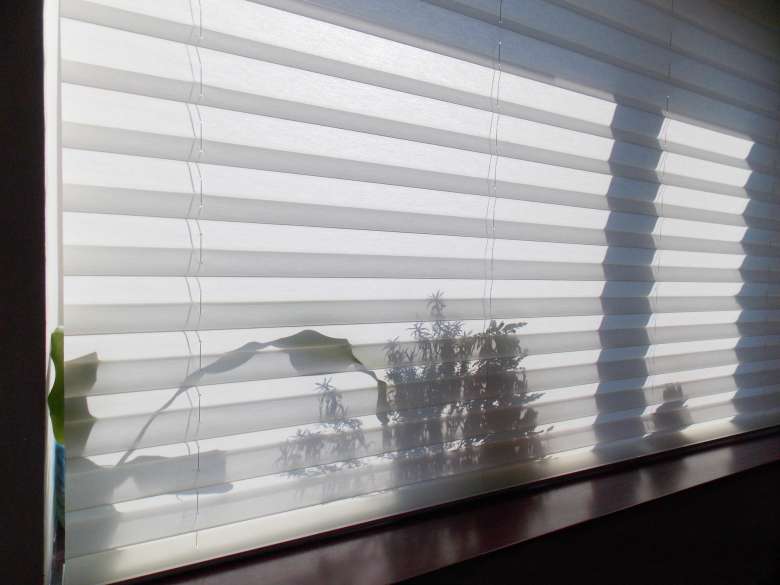
Pleated and cellular blinds generally last between five and twelve years, depending on their construction and how they're used. Both styles are popular for their compact appearance, while cellular blinds provide additional insulation through their honeycomb-shaped fabric structure.
The fabric is often the main factor affecting longevity. Repeated folding, strong sunlight and excessive handling can gradually affect the appearance and structure of the material. Cellular blinds may also collect dust within their folds, making gentle and appropriate cleaning particularly important.
These blinds can be especially useful for conservatories, where light control and thermal comfort are important considerations. However, conservatories can experience substantial temperature changes throughout the year, so selecting materials designed for those conditions is essential. Our conservatory blinds are worth considering when choosing window coverings for areas with extensive glazing.

How Long Do Window Shutters Last?
Wooden Shutters: A Long-Term Window Covering
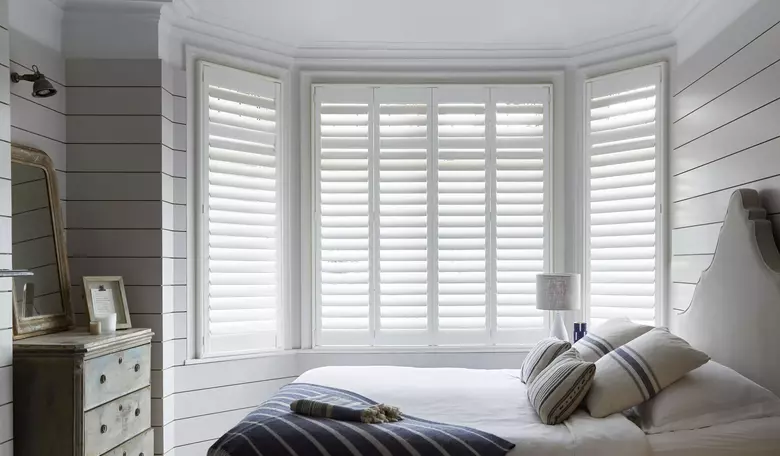
High-quality wooden shutters can last fifteen to twenty-five years or longer when properly manufactured, installed and maintained. Their solid construction makes them one of the longer-lasting window covering options, particularly when compared with lightweight fabric blinds.
Unlike blinds that rely on fabric being repeatedly rolled or folded, shutters use hinged panels and adjustable louvres. Although these components still experience wear, their construction can provide excellent long-term durability. Individual hinges, catches or other fittings may also be serviceable, depending on the shutter design.
Timber shutters do require appropriate care. Prolonged exposure to excessive moisture can cause some woods to swell, distort or develop finish problems. For this reason, we recommend considering the conditions of the room before choosing a particular shutter material.
Composite and Moisture-Resistant Shutters
Composite shutters are another long-lasting option, with many quality products offering an estimated lifespan of fifteen to twenty-five years or more. They're manufactured using engineered materials designed to provide stability and durability, although performance varies between manufacturers and product specifications.
Some composite shutter materials are particularly suitable for humid rooms, making them worth considering for bathrooms and kitchens. However, homeowners should check the manufacturer's guidance rather than assuming every composite product is completely waterproof.
We find that shutters appeal particularly to homeowners planning to remain in their property for many years. Although their initial cost is generally higher than that of standard blinds, their potential longevity and relatively straightforward maintenance can make them a worthwhile long-term purchase.

What Factors Affect the Lifespan of Blinds and Shutters?
Material Quality and Construction
The materials used in a blind or shutter have a considerable influence on how long it will last. Higher-quality fabrics, durable headrails, reliable operating mechanisms and well-manufactured fittings are generally better equipped to withstand repeated everyday use.
For fabric blinds, the quality of the weave, coatings and lining can influence resistance to fading and wear. For shutters, the stability of the material and the quality of hinges and louvre mechanisms are important considerations. A product's appearance when newly installed doesn't always reveal how well it will perform after years of operation.
This is why we encourage homeowners to consider construction and suitability rather than selecting window coverings purely on their initial price. A less expensive product may meet your needs perfectly, but it's worth understanding the differences before committing.
Sunlight and UV Exposure
Direct sunlight is one of the main causes of gradual deterioration in window coverings. Ultraviolet radiation contributes to the fading of fabrics, timber finishes and certain synthetic materials, while prolonged heat exposure can affect some components.
South-facing and west-facing windows can be particularly exposed during sunny periods. Over several years, this may lead to noticeable differences in colour between areas that receive direct sunlight and those that remain shaded.
Choosing appropriate fabrics and finishes can help reduce these effects. UV-resistant materials and suitable linings may offer better colour retention, although no ordinary window covering should be assumed to be completely resistant to sunlight damage.
Moisture and Humidity
Bathrooms, kitchens and utility rooms expose window coverings to different conditions from those found in bedrooms or living rooms. Steam, condensation and changes in humidity can affect certain fabrics and natural materials.
Wooden blinds and shutters may be susceptible to swelling or distortion when exposed to excessive moisture. Some fabrics can also develop staining or mould if they remain damp and ventilation is inadequate.
We generally recommend moisture-resistant materials for these environments. The right product choice can reduce maintenance requirements and help prevent premature replacement.
When Should You Repair or Replace Blinds and Shutters?
A damaged blind doesn't automatically need replacing. In many cases, minor problems can be repaired, particularly when the fabric or shutter panels remain in good condition.
Replacement chains, brackets, weights and certain operating components may be available for compatible products. Some shutter fittings can also be repaired or adjusted, depending on the manufacturer and design. However, repairs should preserve the product's safety features, and any work involving blind cords or chains must maintain compliance with relevant child-safety requirements.
Replacement may be more sensible when the fabric is badly faded, multiple components are failing or the product no longer operates reliably. Significant warping, extensive damage or a discontinued mechanism can also make repair impractical.
We encourage homeowners to compare the cost and likely longevity of a repair against the price of a suitable replacement. If a blind is already approaching the end of its expected lifespan, investing in a new made-to-measure product may provide better value than repeatedly repairing an ageing system.
Are Shutters Worth the Extra Cost Compared with Blinds?
Shutters generally require a higher initial investment than standard roller, Roman or vertical blinds. However, their longer potential lifespan means the difference in cost becomes more meaningful when considered over many years.
For example, a homeowner may replace a fabric blind more than once during the period that a quality shutter remains in service. This doesn't mean shutters are always the most economical choice, because purchase price, installation, repairs and individual product quality all influence the total cost.
Blinds also offer advantages that shutters cannot always match. They provide a wide choice of fabrics, can be more compact and are often more affordable when dressing multiple windows. Certain styles also offer specific benefits, such as blackout fabrics or cellular insulation.
In our experience, the better investment is the product that suits the room and how it will be used. Shutters may be preferable for homeowners seeking a durable, permanent-looking finish, while quality blinds can provide excellent value where flexibility, fabric choice and affordability matter more.


