








Absolute Journal
How Blinds and Shutters Cut Winter Heat Loss: Keep Your Home Warmer for Longer
As temperatures begin to fall, keeping your home warm without constantly increasing the heating becomes a priority. While loft insulation, double glazing and draught-proofing are often the first improvements homeowners consider, window coverings can also make a meaningful contribution to winter comfort. The right blinds and shutters can help reduce heat loss through windows, making rooms feel more comfortable during colder mornings and evenings.
Windows are particularly important when considering household energy efficiency. Even modern double-glazed units generally insulate less effectively than well-insulated external walls, while older glazing can allow considerably more heat to escape. Adding suitable blinds or shutters creates an additional layer between the room and the glass, helping to slow heat transfer and reduce the uncomfortable feeling associated with cold window surfaces.
In our experience, homeowners often choose blinds and shutters primarily for privacy and appearance, without fully considering their thermal benefits. However, fabric construction, material thickness, fitting and daily use can all influence how effectively a window covering helps retain warmth. Whether you're updating a bedroom, improving a draughty living room or making a conservatory more comfortable during winter, understanding how different window coverings perform can help you choose a practical, long-lasting solution.
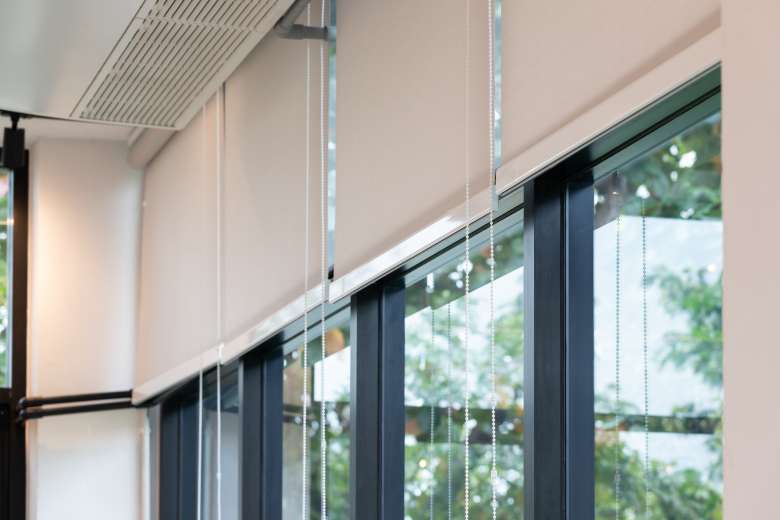
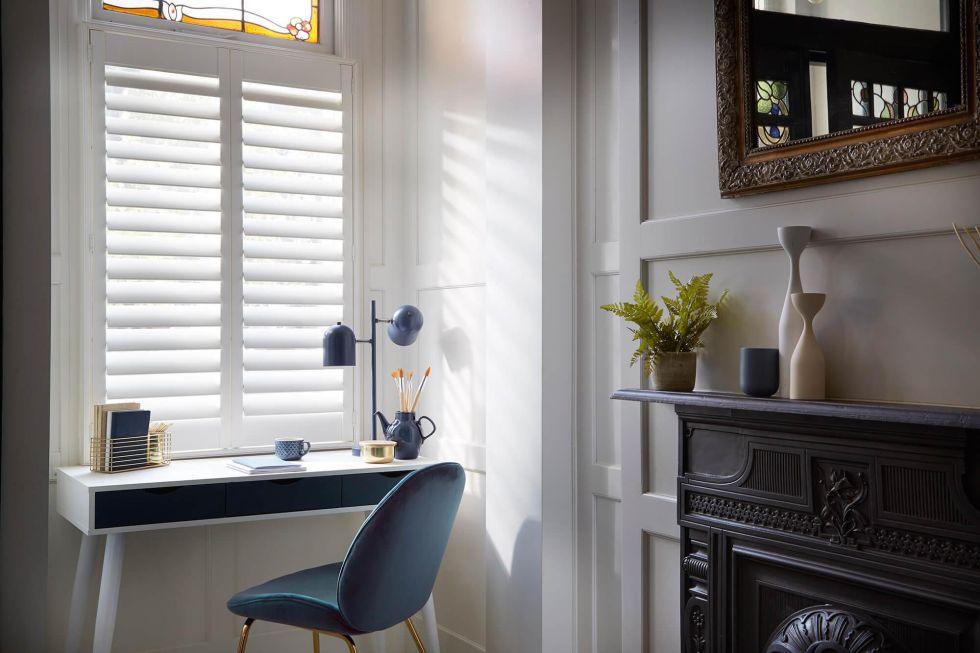
Why Do Windows Lose So Much Heat During Winter?
Windows lose heat through several processes, including conduction, convection and radiation. Heat naturally moves from warmer areas towards colder ones, meaning warmth from inside your home can pass through the glazing towards the colder outdoor environment. This happens even when windows are properly closed and there are no obvious draughts.
Convection can also contribute to discomfort around windows. As warm indoor air comes into contact with cold glass, it cools and moves downwards, creating air circulation that can feel like a draught. In older properties, gaps around window frames and poorly maintained seals can make the problem worse by allowing cold outside air to enter directly.
According to the Energy Saving Trust, windows are an important consideration when improving home energy efficiency, and suitable curtains or blinds can help reduce heat loss. However, window coverings work best alongside properly maintained glazing, insulation and draught-proofing rather than replacing these improvements.
We often recommend considering the condition of the windows before choosing thermal blinds or shutters. A well-fitted window covering can improve comfort, but it won't repair damaged seals or eliminate significant gaps around a frame. Addressing those problems first helps ensure any additional insulation performs as effectively as possible.
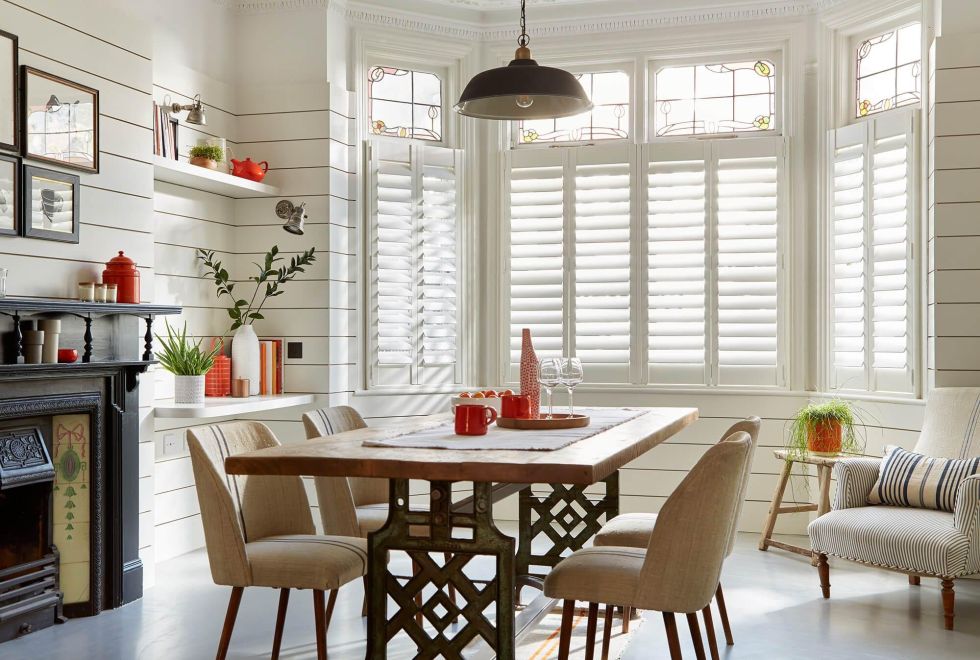
How Do Blinds and Shutters Help Reduce Heat Loss?
Creating an Additional Insulating Layer
One of the main ways blinds and shutters help retain warmth is by creating an additional barrier between the room and the window. When closed, they can reduce air movement near the glazing and slow the transfer of heat from the warmer room towards the colder glass.
The effectiveness of this barrier depends on the window covering's construction and how closely it fits. A loosely hanging blind with substantial gaps around its edges may provide some benefit, but a well-fitted system that limits air circulation can offer better thermal performance.
Different materials also behave differently. Cellular blinds contain insulating air pockets, lined Roman blinds add fabric layers, and shutters create a relatively rigid covering across the window. Each approach can contribute to heat retention, although the results depend on the specific product and installation.
Reducing Cold Draughts Around Windows
Cold draughts can make a room feel uncomfortable even when the thermostat indicates a reasonable temperature. This is particularly common in older properties with traditional sash windows or ageing window frames.
Blinds and shutters can reduce the movement of cooled indoor air near the glass, making the area around a window feel less uncomfortable. However, they shouldn't be considered a substitute for proper draught-proofing, especially where outside air is entering through damaged seals or gaps.
From our experience, combining suitable window coverings with basic window maintenance often provides a more effective result than relying on either measure alone. The aim is to reduce unnecessary heat loss while maintaining appropriate ventilation throughout the home.
Improving Comfort Without Increasing the Heating
A room's comfort isn't determined solely by air temperature. Cold surfaces, air movement and uneven temperatures can all influence how warm a space feels.
When a blind or shutter covers a cold window, it can reduce the amount of cold surface directly exposed to the room. This may improve comfort near the window, particularly in bedrooms, sitting rooms and dining areas where people spend long periods in one position.
Our range of blinds includes several styles worth considering when balancing thermal comfort with privacy, light control and interior design.
Which Blinds Are Best for Keeping Heat In?
Cellular and Honeycomb Blinds
Cellular blinds, sometimes called honeycomb blinds, are among the most effective blind designs for reducing heat transfer through windows. Their distinctive construction features hollow fabric cells that hold pockets of air, providing an insulating layer between the glazing and the room.
Unlike a single layer of fabric, the cellular structure is specifically designed to restrict heat movement. This makes honeycomb blinds particularly useful for windows where thermal performance is a major consideration.
Cellular blinds can be a good option for bedrooms, living rooms and conservatories, especially where large glazed areas contribute to noticeable temperature changes. Some designs offer additional insulating features, although the performance of individual products varies according to cell construction, fabric and installation.
We recommend paying particular attention to fitting when choosing cellular blinds. A suitable design positioned close to the window can help limit unwanted air circulation, while substantial gaps around the blind can reduce its effectiveness.
Thermal Roller Blinds
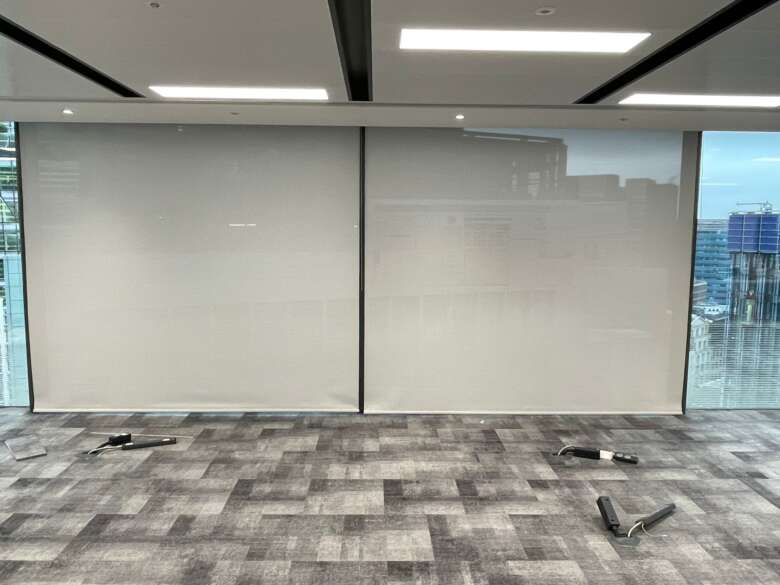
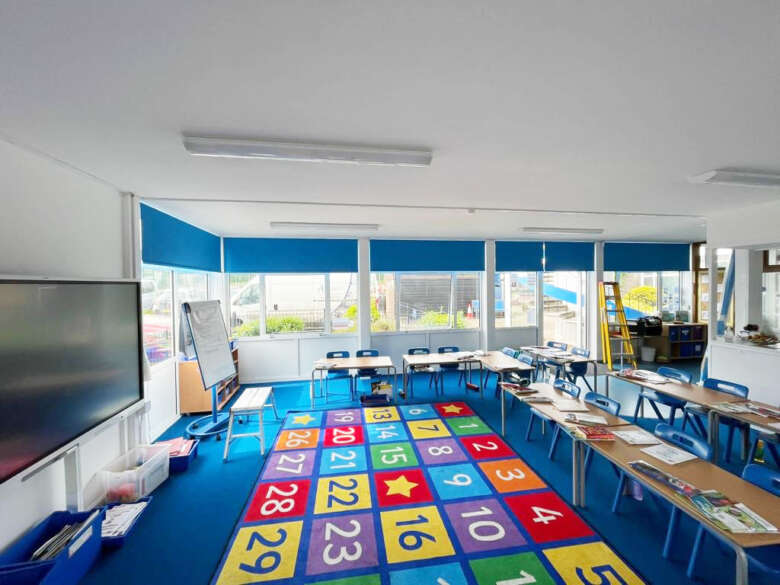
Roller blinds are popular because they're simple, compact and suitable for a wide variety of rooms. Standard lightweight roller fabrics provide privacy and light control, but thermal roller blinds incorporate materials or coatings intended to improve their insulating performance.
Some thermal fabrics use reflective backing to help manage radiant heat transfer, while others rely on thicker or layered construction. The actual thermal benefit depends on the product specification, so it's worth checking the manufacturer's information rather than assuming every blackout or coated fabric provides the same insulation.
Thermal roller blinds are particularly practical in kitchens, bedrooms and home offices where a streamlined appearance is preferred. They can also be suitable for rooms where curtains would take up too much space or interfere with furniture.
Our roller blinds provide a useful starting point when comparing different fabrics and finishes. For winter comfort, we recommend considering the thermal properties of the material alongside the dimensions and positioning of the blind.
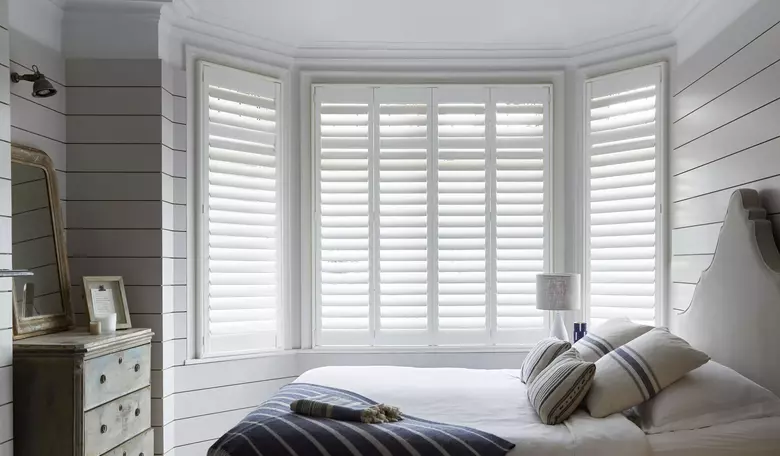
Lined Roman Blinds
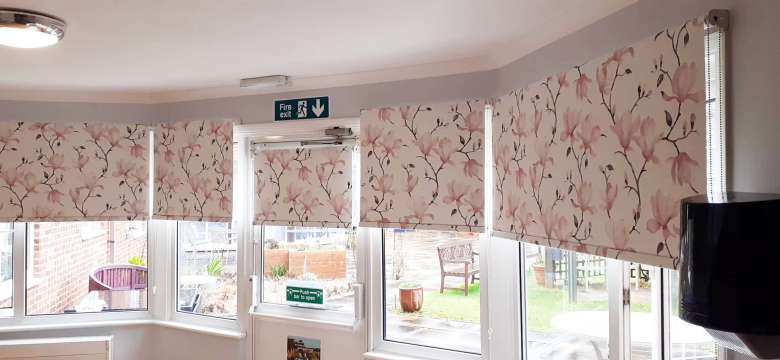
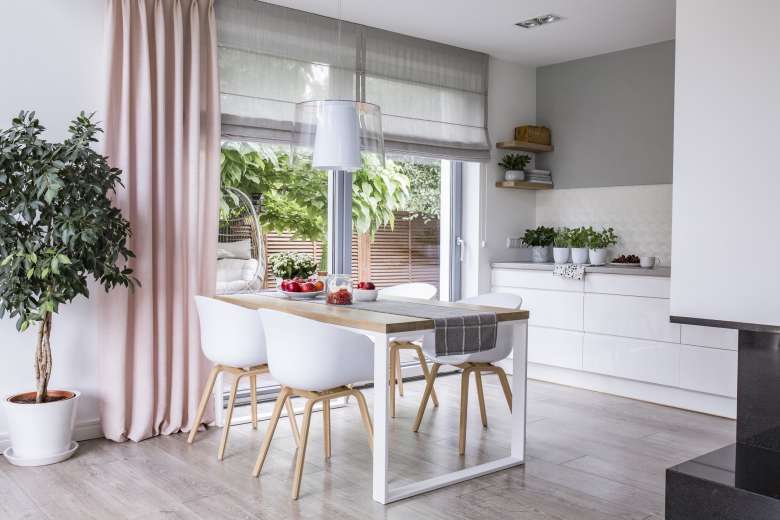
Roman blinds combine decorative fabric with a practical folding mechanism, making them a popular choice for bedrooms and living rooms. Their softer appearance suits both traditional and contemporary interiors, while additional lining can improve their ability to reduce heat transfer.
A lined Roman blind contains more material than a typical unlined design, creating another layer between the room and the glazing. Thermal lining or interlining can provide further insulation, depending on the construction and fabric selected.
In our experience, Roman blinds are particularly appealing in older homes where homeowners want to improve winter comfort without losing the character of the room. Heavier fabrics and appropriate linings can complement traditional interiors while providing useful practical benefits.
Our Roman blinds offer a range of decorative possibilities. When thermal performance is important, we'd suggest prioritising suitable linings and accurate fitting rather than choosing fabric based on appearance alone.
Pleated and Conservatory Blinds
Conservatories can be particularly challenging to keep comfortable during winter because they often contain extensive glazing. Although modern glazing and roof systems can improve insulation, large glass surfaces can still influence how quickly the space loses heat.
Pleated blinds offer a compact window covering that can be suitable for conservatory windows and certain roof glazing systems. However, standard single-layer pleated blinds generally provide less insulation than comparable cellular designs because they don't contain the same enclosed air pockets.
Where winter warmth is a priority, we'd usually suggest comparing the thermal properties of the available fabrics and systems carefully. The right choice also depends on the conservatory's glazing, roof construction and heating arrangements.
Our conservatory blinds are worth exploring when looking for window coverings that combine light control, privacy and improved comfort in rooms with large areas of glass.
Are Window Shutters Good for Insulation?
How Shutters Help Retain Warmth
Window shutters can provide a useful additional barrier against winter heat loss. Their solid panels and adjustable louvres cover much of the glazed area, helping reduce air movement between the window and the room when closed.
The thermal performance of shutters depends on their construction, materials and fit. Well-fitted shutters can provide an insulating benefit, particularly when the panels close securely and minimise gaps around the window.
However, shutters aren't completely airtight. Adjustable louvres, panel joints and surrounding frames can allow some air movement, meaning their performance varies between products.
We generally recommend shutters for homeowners who want a long-lasting window covering that offers privacy, adjustable light control and a structured appearance alongside potential thermal benefits.
Wooden vs Composite Shutters for Winter
Wooden shutters are popular for their natural appearance and durability. Timber has relatively low thermal conductivity compared with materials such as metal, making it a suitable material for window coverings intended to provide an additional insulating layer.
Composite shutters can also contribute to thermal comfort, although their performance depends on the specific material and construction. Some are particularly useful in humid environments because they're designed to resist moisture-related problems.
Rather than assuming one shutter material is always warmer than another, we recommend considering the complete product. Panel thickness, frame construction, louvre design and installation quality can all influence the finished result.
For homeowners planning a long-term improvement, shutters may be worth considering because they can remain in place for many years with appropriate care. Their higher initial cost should be weighed against durability, appearance and the practical benefits they provide throughout the year.
Choosing the Right Blinds or Shutters for Your Home This Winter
The best window covering depends on the room, the type of glazing and what you want to achieve. Cellular blinds are worth considering where insulation is a priority, while thermal roller blinds offer a compact solution for everyday spaces. Lined Roman blinds combine decorative appeal with additional fabric layers, and shutters provide a durable option for homeowners seeking long-term use.
We recommend considering winter warmth alongside light control, privacy, maintenance and appearance. A blind that performs well thermally but is inconvenient to operate may not be the most suitable choice for a frequently used room.
Accurate measurements and appropriate installation are equally important. A well-chosen window covering should fit properly, operate smoothly and complement the way the room is used.
If you're looking to improve comfort during the colder months, our complete blinds collection offers a range of styles worth comparing. Choosing suitable materials and fitting them correctly can help you create a warmer, more comfortable home without sacrificing the appearance of your windows.
FAQs: Blinds, Shutters and Winter Heat Loss
Do blinds actually keep heat in during winter?
Yes, suitable blinds can help reduce heat loss through windows by creating an additional insulating layer and limiting air movement near the glass. The level of benefit depends on the blind's material, construction and fit. Cellular and thermal-lined designs are particularly worth considering when insulation is a priority.
Which type of blind is best for keeping a room warm?
Cellular or honeycomb blinds are often among the strongest options because their enclosed air pockets help slow heat transfer. Thermal roller blinds and lined Roman blinds can also provide useful insulation. The best choice depends on the window dimensions, glazing and installation.
Are shutters warmer than blinds?
Shutters can provide effective additional insulation, particularly when their panels close securely and fit well within the window opening. However, some specialist cellular blinds may offer better thermal performance than certain shutter designs. Comparing the construction and fitting of individual products is more useful than assuming one category is always superior.
Should blinds be open or closed during winter?
Opening blinds on sunny windows during the day can allow useful solar warmth into the home. Closing them as daylight fades helps reduce heat loss through the glazing. This simple routine can improve comfort without requiring changes to the heating system.
Do blackout blinds help with insulation?
Some blackout blinds provide additional insulation, particularly when made from thicker, layered or thermally backed materials. However, blackout describes light-blocking performance rather than a guaranteed level of thermal insulation. It's important to check the fabric's thermal properties separately.
Can blinds help with draughty windows?
Blinds can reduce the feeling of cold air movement near a window, but they won't repair damaged seals or gaps that allow outside air to enter. Proper draught-proofing should be carried out where necessary. Combining suitable blinds with window maintenance can provide a more effective solution.
Do thermal blinds help reduce condensation?
Thermal blinds don't necessarily prevent condensation and may sometimes increase moisture forming on cold glass behind them. Maintaining appropriate ventilation and controlling indoor humidity are important. Persistent condensation should be investigated rather than relying solely on window coverings.
Are thermal blinds worth the extra cost?
They can be worthwhile where improved comfort and reduced heat transfer are important. Their value depends on the window, the quality of the product and how frequently it's used. Homeowners should consider the benefits of better insulation alongside durability, appearance and everyday convenience.


