





Absolute Journal
Pleated vs. Cellular (Honeycomb) Blinds: What’s the Difference?
When it comes to choosing the right window coverings, especially for areas like conservatories or living spaces with lots of natural light, pleated and cellular blinds are two popular choices that often get compared. At first glance, they may look quite similar, but they differ significantly in terms of construction, performance, insulation, and even pricing. Understanding these differences is key to selecting the best option for your needs -— whether it's about enhancing your home's comfort or creating a more energy-efficient environment.
We've worked with both pleated and cellular (honeycomb) blinds across a wide range of properties, from compact city flats to spacious conservatories. Over the years, we’ve seen how choosing the right blind can make a noticeable difference in comfort, aesthetics, and light control. So, whether you’re refurbishing a conservatory or simply want better control of light and privacy, here’s a detailed comparison based on what we’ve learned through hands-on experience.
What Are Pleated Blinds?
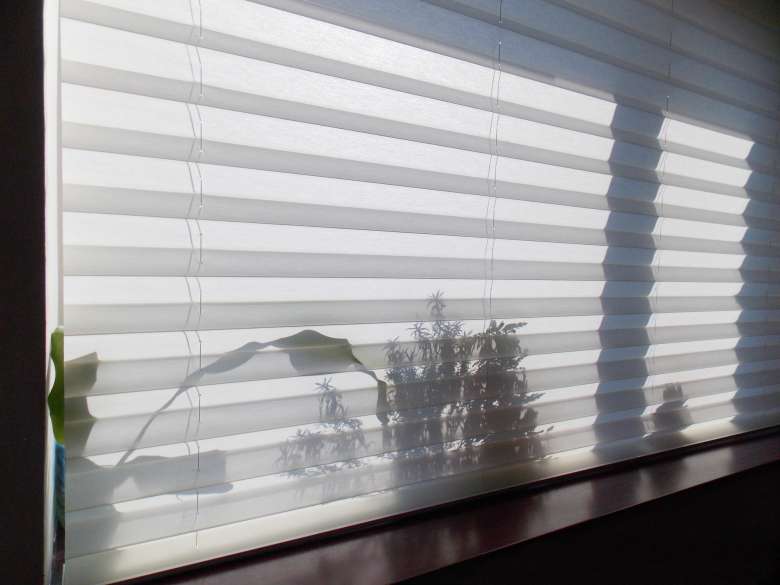
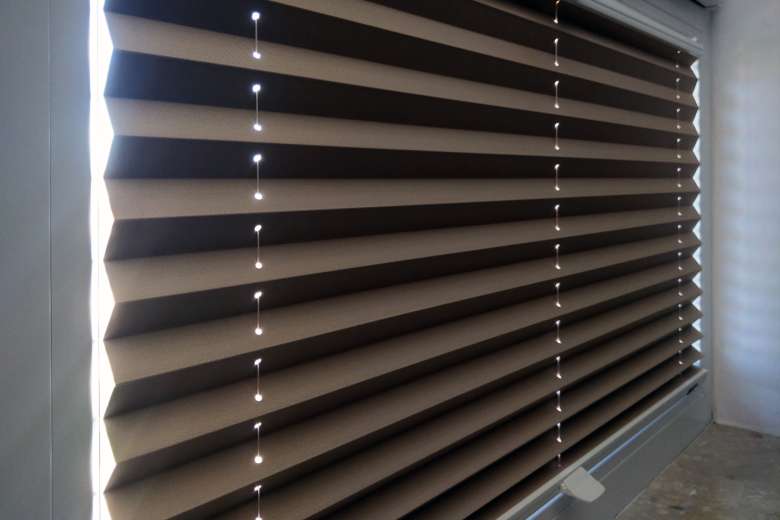
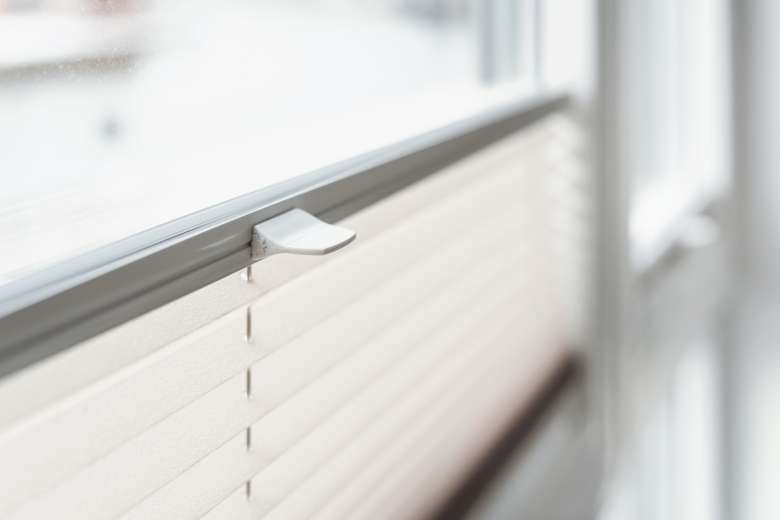
Pleated blinds are made from a single layer of fabric folded into crisp pleats, which collapse neatly when raised and form a concertina-like appearance when lowered. These blinds are lightweight, versatile, and available in a wide range of colours and fabric finishes.
They’re ideal for conservatories or spaces where a streamlined look is preferred. Because of their simple structure, they don’t take up much space on the window frame, making them a great choice for smaller windows or where space is limited. Pleated blinds can be mounted to fit perfectly into window recesses or even sloping windows often found in conservatories. You can explore our conservatory blinds collection for examples.
What Are Cellular (Honeycomb) Blinds?
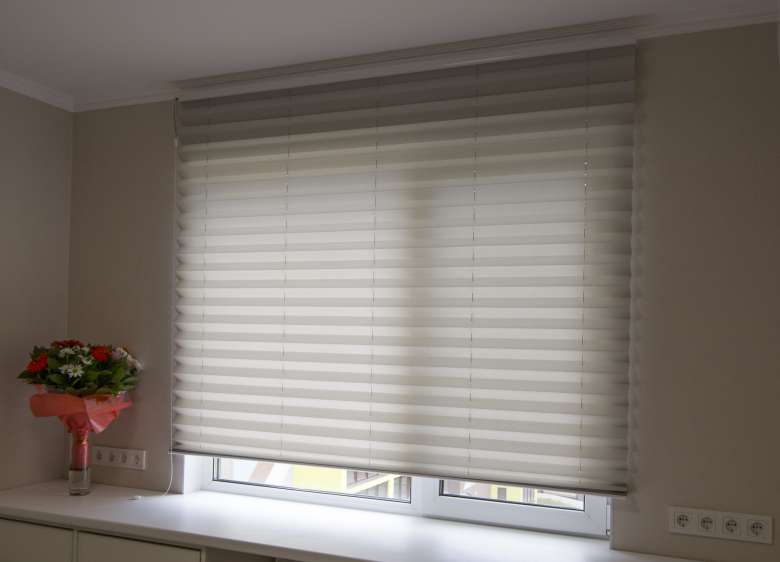
Cellular blinds, commonly known as honeycomb blinds, are constructed from two or more layers of pleated fabric that form a honeycomb-shaped cell. This unique structure traps air inside the cells, creating an insulating layer between the window and the room.
This makes them particularly effective for maintaining a consistent indoor temperature. We often recommend these blinds to customers looking to improve insulation, particularly in rooms prone to heat loss or gain. They’re a functional upgrade from standard pleated blinds when energy efficiency is a key consideration.
Materials: Fabric and Structure Differences
Pleated Blinds – Lightweight and Versatile
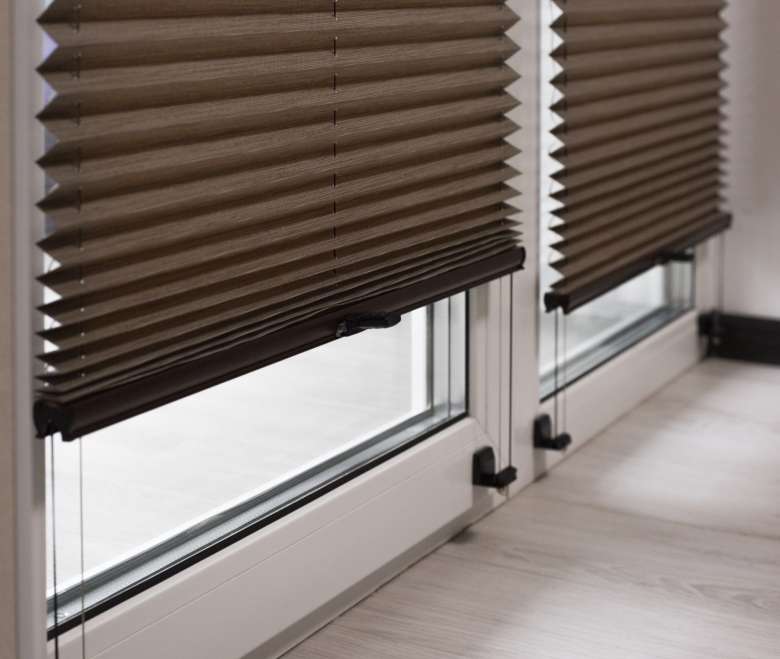
Pleated blinds are usually made from polyester or other synthetic fabrics. The single layer allows for a lighter feel and greater flexibility in terms of design, but it also means they offer less insulation. They’re best suited to rooms where energy loss isn't a major concern or where you want a minimalist blind that won’t dominate the room.
Cellular Blinds – Multi-Layered for Insulation
Cellular blinds are made from bonded fabrics that create individual air pockets within the cells. These pockets are what give cellular blinds their superior thermal performance. The more layers or cells the blind has (single, double, or even triple cell), the better it is at trapping air and improving energy efficiency. Some fabrics even include reflective layers for added solar protection.

Light Diffusion and Privacy
Pleated Blinds – Softer Light, Modest Privacy
Pleated blinds offer moderate light diffusion. The fabric tends to soften sunlight, helping reduce glare without completely darkening the room. However, depending on the thickness and transparency of the material, they may not provide full privacy, especially in the evenings when lights are on indoors.
Cellular Blinds – Balanced Light and Privacy Control
Cellular blinds, thanks to their structured design, offer more consistent light diffusion and better privacy. They come in a variety of opacities, from sheer to blackout, which means you can control exactly how much light enters the room while ensuring privacy. Blackout options are ideal for bedrooms or media rooms, while semi-sheer fabrics work well in living areas.
Aesthetic Appeal: Clean Lines vs. Subtle Texture
Both pleated and cellular blinds have a neat and structured look, but there are subtle differences in how they appear when installed.
Pleated blinds tend to look more delicate and refined, with narrow folds that create a soft, minimalist appearance. They're often chosen for their modern style and are well suited to smaller spaces or where the design of the blind shouldn't distract from the overall room decor.
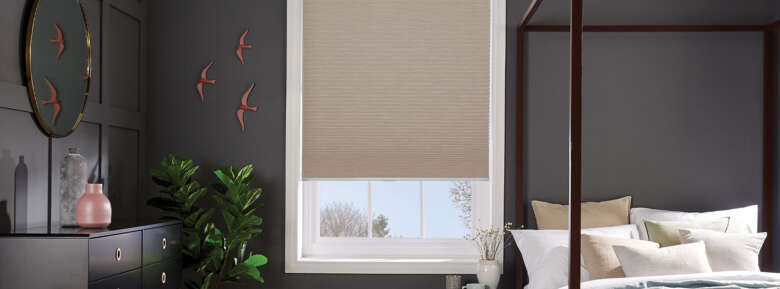
Cellular blinds, on the other hand, have a slightly more substantial profile due to their layered construction. When lowered, the honeycomb structure is subtly visible from the side, giving a textured appearance that some homeowners prefer for a more contemporary, architectural look.
Cost Comparison: Upfront vs. Long-Term Value
Pleated Blinds – Lower Initial Cost
In general, pleated blinds are more affordable than cellular blinds. This makes them an attractive option for those on a tighter budget or when covering multiple windows at once, such as in a conservatory or office space. The trade-off is in insulation and long-term energy savings, which may be less significant with pleated designs.
Cellular Blinds – Higher Cost, Better Efficiency
Cellular blinds tend to be more expensive due to the complexity of their design and the added material. However, they can reduce energy bills by improving thermal insulation, especially in rooms with large windows. Over time, this can offer savings on heating and cooling costs -— a point many of our customers consider when making their final decision.
Which Blinds Work Best in Conservatories?
Conservatories often face issues with temperature extremes -— too hot in the summer and too cold in the winter. Because of this, we usually recommend cellular blinds for their superior insulation. However, pleated blinds are still a viable option for homeowners who prefer a lighter look or who primarily use the space during milder months.
We've installed both types in conservatories and can say from experience that cellular blinds tend to maintain a more stable indoor temperature, especially when paired with solar-reflective fabrics. That said, some customers prefer the classic, streamlined look of pleated blinds and are happy to use secondary heating or cooling methods.
You can see more options for pleated blinds here and browse our full blinds range for other styles that might suit your space.
FAQs: Pleated vs. Cellular Blinds
Are pleated blinds cheaper than cellular blinds?
Yes, pleated blinds usually cost less than cellular blinds due to their single-layer construction. They're a good choice for budget-conscious projects, although cellular blinds may offer better long-term value through improved insulation.
Do cellular blinds really save energy?
They can. The honeycomb structure of cellular blinds traps air and helps regulate indoor temperatures, reducing the need for heating in winter and cooling in summer. This can lead to noticeable savings on energy bills over time.
Can I use pleated or cellular blinds in a conservatory?
Absolutely. Both are commonly used in conservatories. Cellular blinds offer better insulation, while pleated blinds provide a lighter, more minimalist look. Your choice may depend on how you use the space and what your comfort preferences are.
Which is easier to clean: pleated or cellular blinds?
Both types are relatively easy to clean with light vacuuming or a soft brush. However, cellular blinds may require a bit more care to avoid damaging the honeycomb structure, especially when cleaning between the cells.