

Absolute Journal
Interior Design Trends to Watch in 2026: What’s In and What’s Out
As we move towards 2026, the way we think about interior design continues to evolve. It’s no longer just about aesthetics - it’s about how a space feels, functions, and supports our everyday lives. From colour palettes that reflect a more grounded lifestyle to materials chosen for their tactile appeal and sustainability, the trends for the year ahead speak to a deeper connection between our homes and how we live in them.
In our experience working with clients across a range of property types - from contemporary apartments to rural family homes - we’ve seen how the most successful interiors combine style with substance. For 2026, the focus is on balance: timeless with modern, comfort with practicality, and personal taste with global influences. Whether you’re planning a full renovation or just refreshing one room, here are the key interior design trends for 2026 you should know about.
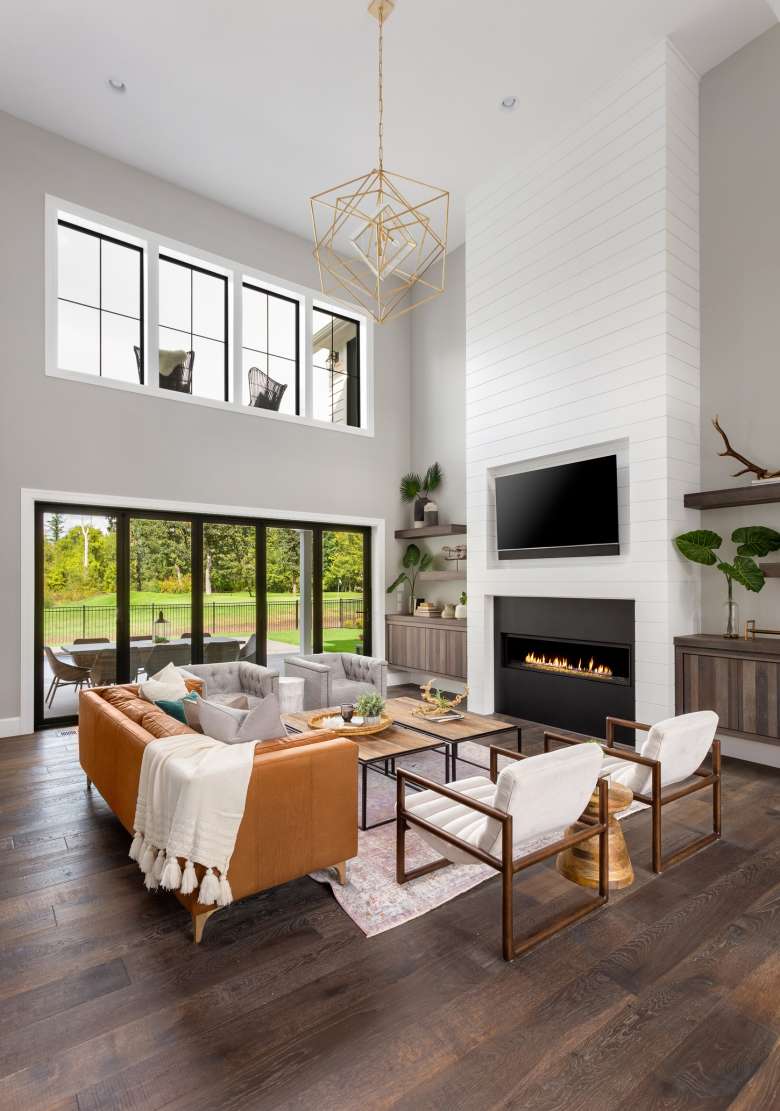
2026’s Key Interior Design Trends
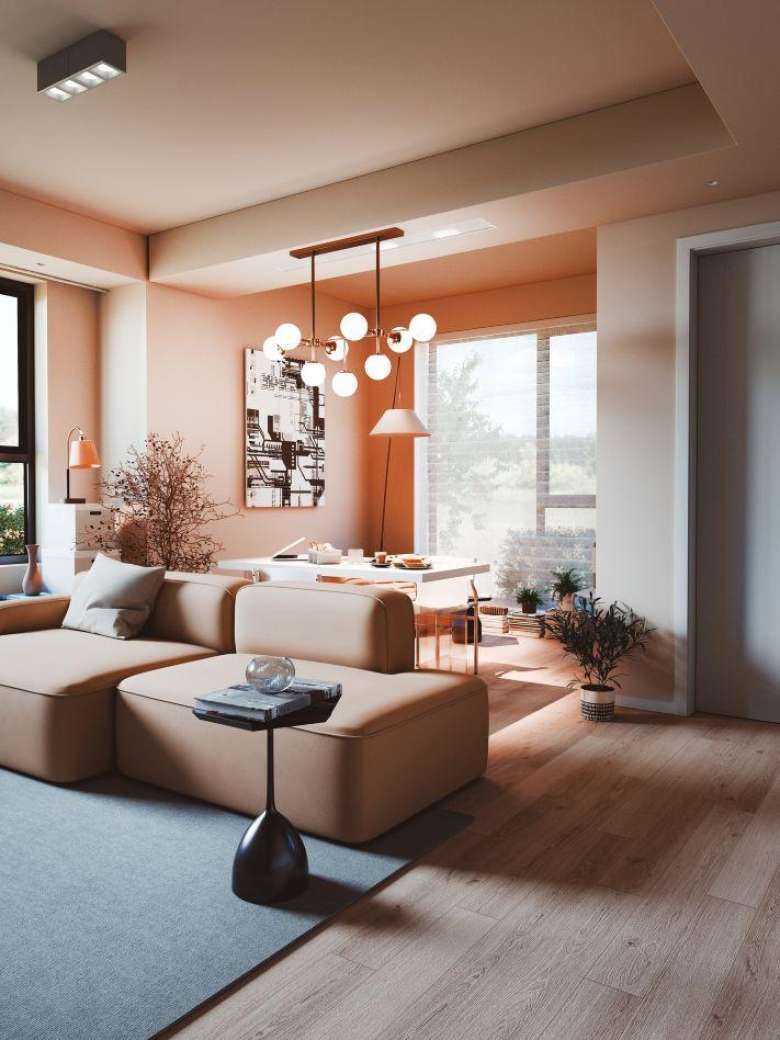
1. Warm, Earthy Colours Take Centre Stage
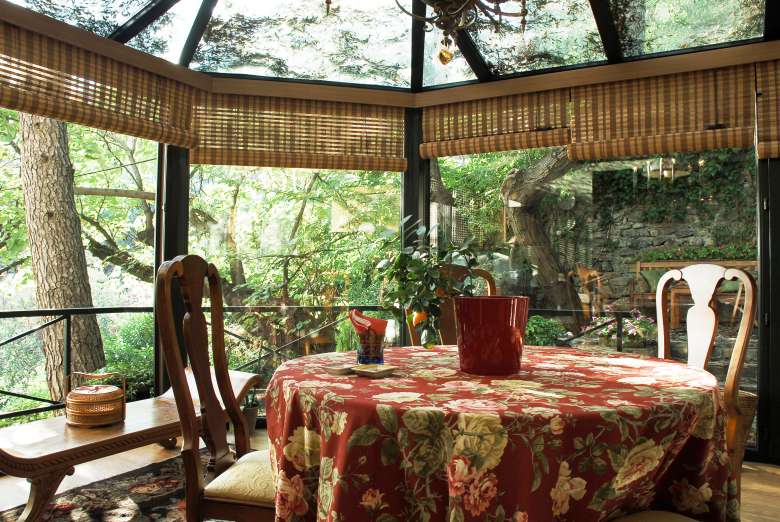
2026 is moving away from cooler tones in favour of warmer, earth-based colours. Think rich terracottas, clay, olive green, rust, ochre, and warm neutrals like almond and taupe. These tones help create a grounded, lived-in feel - especially when paired with natural textures like linen, jute, and timber.
Several UK-based colour consultants, including those featured in House & Garden, have predicted a growing shift towards colours that promote comfort and restfulness. In our own projects, we’ve seen a marked preference for paint colours and furnishings that offer visual warmth without overwhelming a room. It’s less about bold statements and more about creating a soft, cohesive backdrop.
2. Textured Walls and Layered Surfaces
Flat finishes are making way for more textural interest - think limewash walls, microcement, raw plaster, and subtle wall panelling. These finishes provide depth and variation that change with the light, giving rooms a dynamic quality.
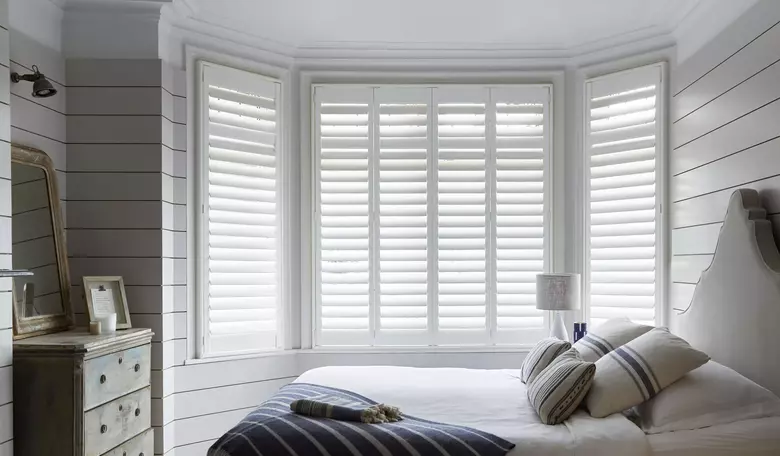
We’ve increasingly worked with homeowners who want walls that feel as good as they look. Texture helps break up large spaces, softens acoustics, and adds a sense of craftsmanship. Even simple updates, like a plaster-effect paint or wood panelling behind a bed, can change the whole character of a room.
Materials and Furnishings: What’s Gaining Popularity
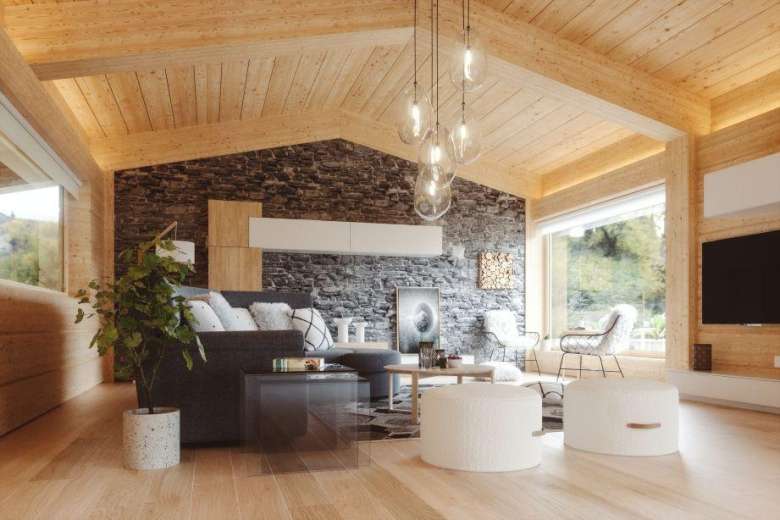
3. Natural Stone and Timber Reclaim the Spotlight
Expect to see more natural stone used in kitchens, bathrooms, and flooring - particularly marble, travertine, and soapstone. These materials are appreciated not just for their beauty, but for their longevity and uniqueness. Each slab or tile has its own pattern, making every installation feel bespoke.
Timber, especially in mid and darker tones, is also back in focus. We’re seeing more clients opt for oak, walnut, and ash in flooring, cabinetry, and furniture. These materials are being used in stripped-back, honest ways - minimal finishes that let the wood’s natural grain speak for itself.
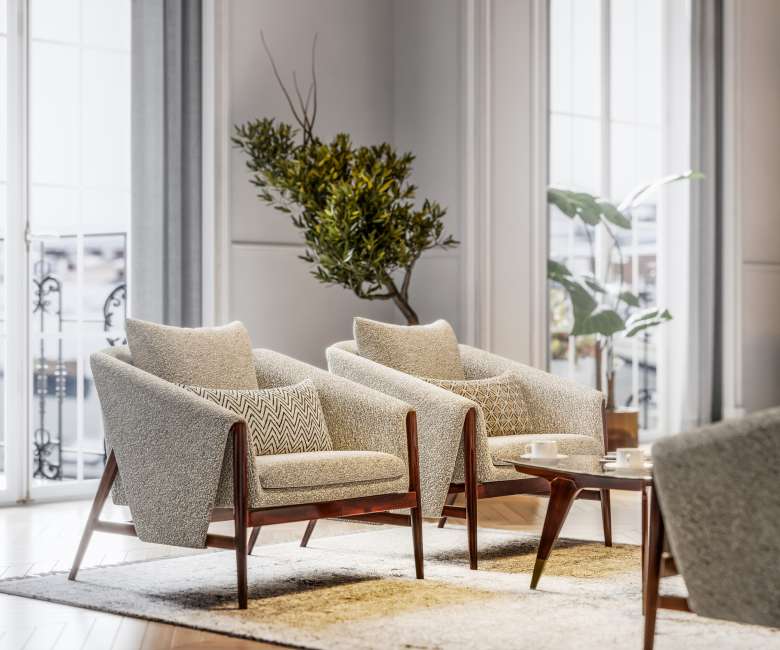
4. Upholstery That Prioritises Comfort and Tactility
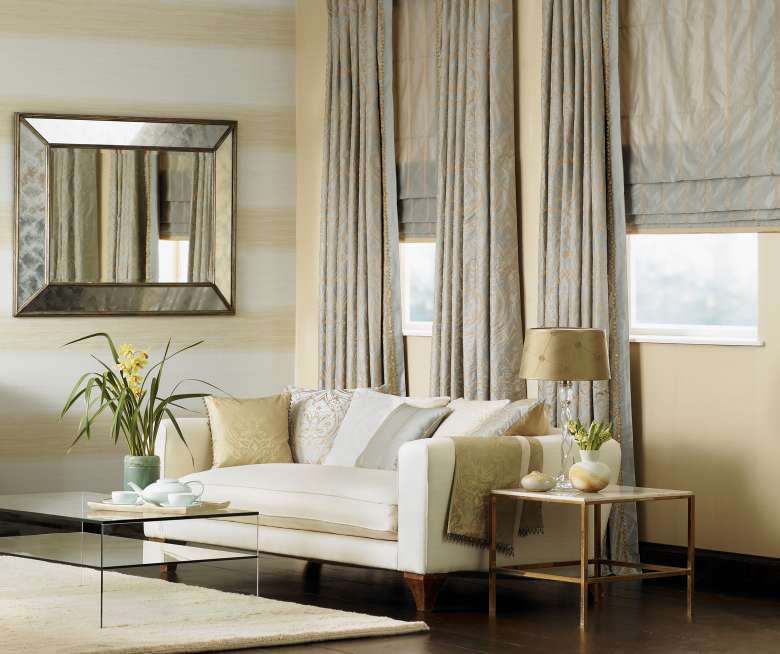
Gone are the days of purely aesthetic furniture. In 2026, comfort-first upholstery is key. Think generously sized sofas, curved armchairs, and plush footstools covered in soft boucle, heavy linen, or brushed cotton. The feel of a fabric is just as important as its colour or style.
We’ve noticed a growing desire for low-slung furniture that invites you to relax - particularly in open-plan or family-centered spaces. Clients are choosing pieces that blend function and softness, moving away from formal layouts and embracing more relaxed arrangements.
Materials and Furnishings: What’s Gaining Popularity
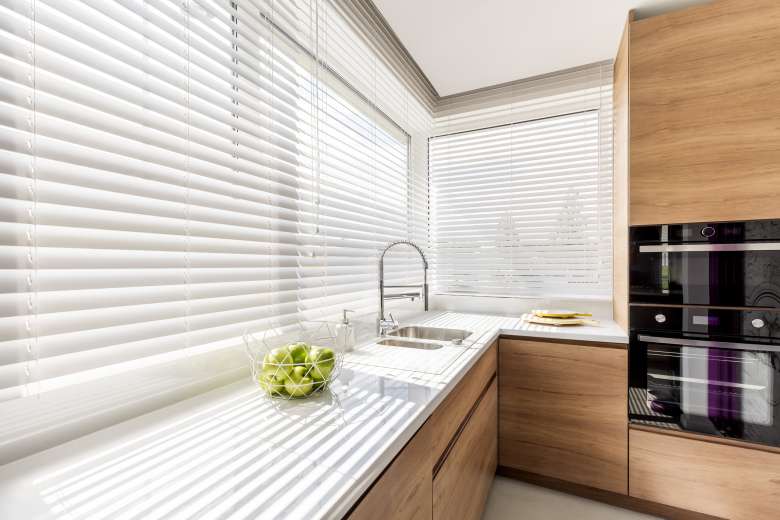
5. Kitchens with Personality and Texture
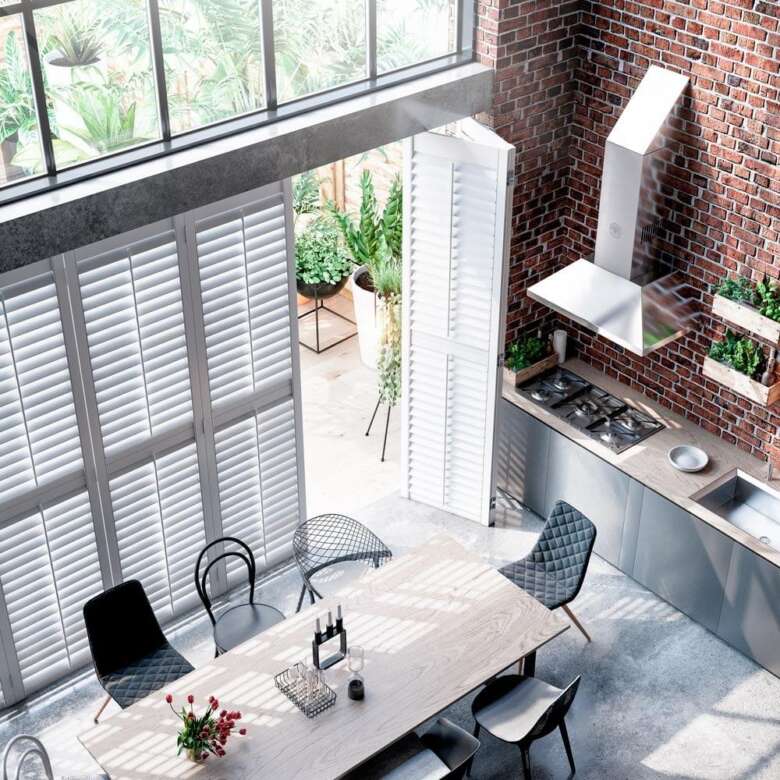
The all-white kitchen is on the way out. In 2026, it’s all about kitchens that feel like extensions of the living space. Expect to see more warm-toned cabinetry, open shelving, mixed materials (stone, wood, aged metal), and feature lighting.
We’ve recently installed several kitchens where bold splashbacks, statement handles, and handmade tiles added character and interest. The move is towards lived-in luxury - kitchens that are functional but also feel personal and inviting.
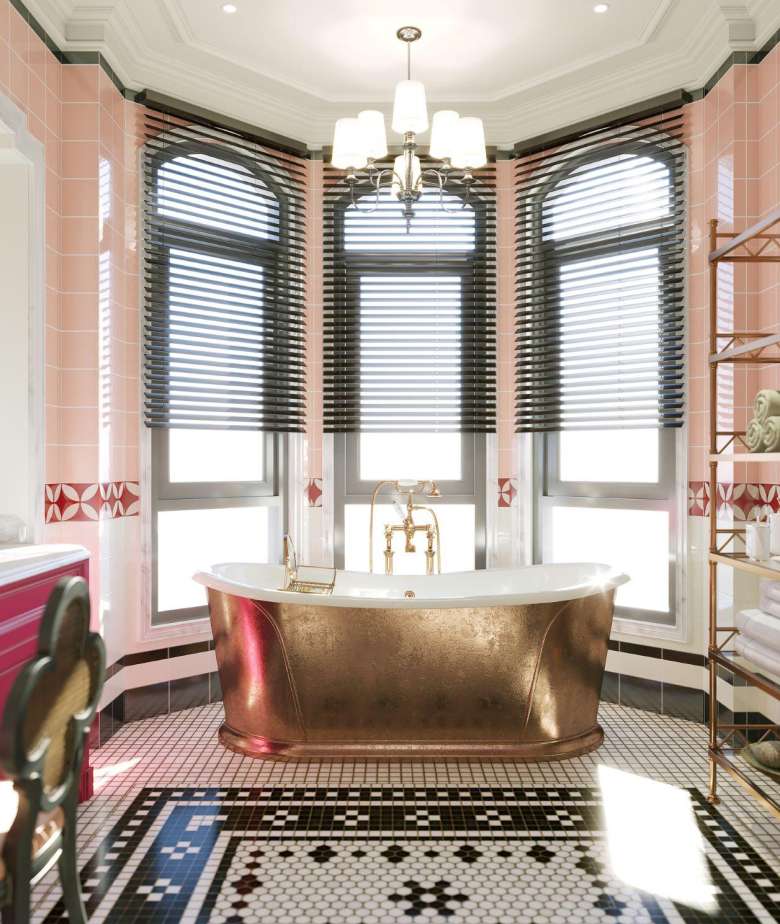
6. Bathrooms as Wellness Spaces
Bathrooms are becoming more like spa-inspired sanctuaries, with muted colours, soft lighting, and tactile materials. Natural stone, fluted glass, brushed brass, and freestanding baths are all rising in popularity. Underfloor heating and warm wall finishes are also being prioritised for comfort.
More clients are asking for walk-in wet rooms, layered lighting, and smart storage that keeps surfaces clutter-free. It’s about creating a space that feels serene and restorative - a daily retreat rather than just a utility room.
Technology and Sustainability in 2026 Interiors
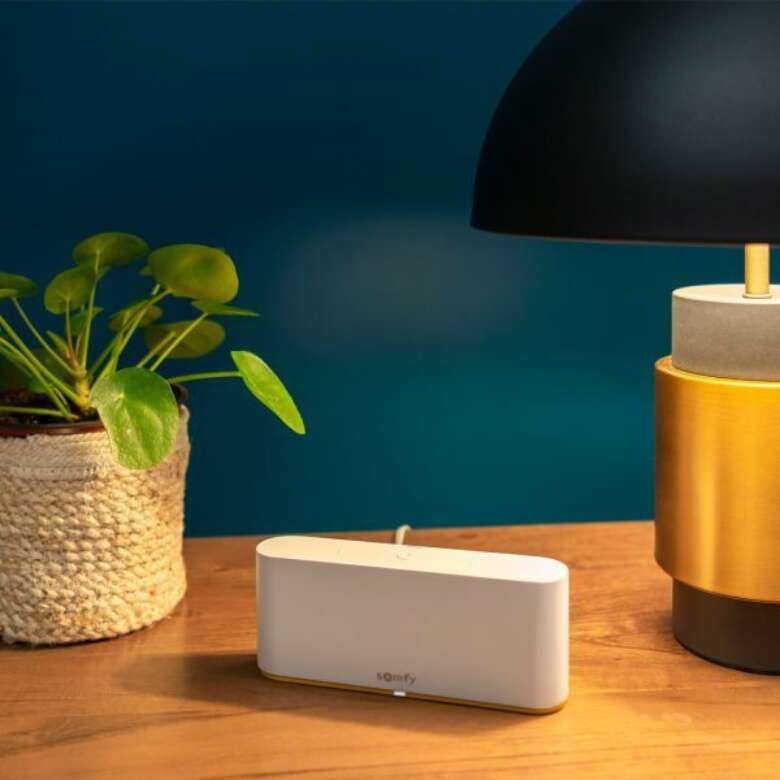
7. Subtle Smart Technology Integration
Technology continues to play a role in home design, but in 2026, it’s more discreet and seamlessly integrated. From automated blinds and hidden charging ports to voice-activated lighting and climate control, the goal is convenience without visual disruption.
We’ve installed systems that work invisibly in the background - smart features that blend into the architecture rather than drawing attention. Homeowners increasingly want functionality that doesn’t detract from the design.
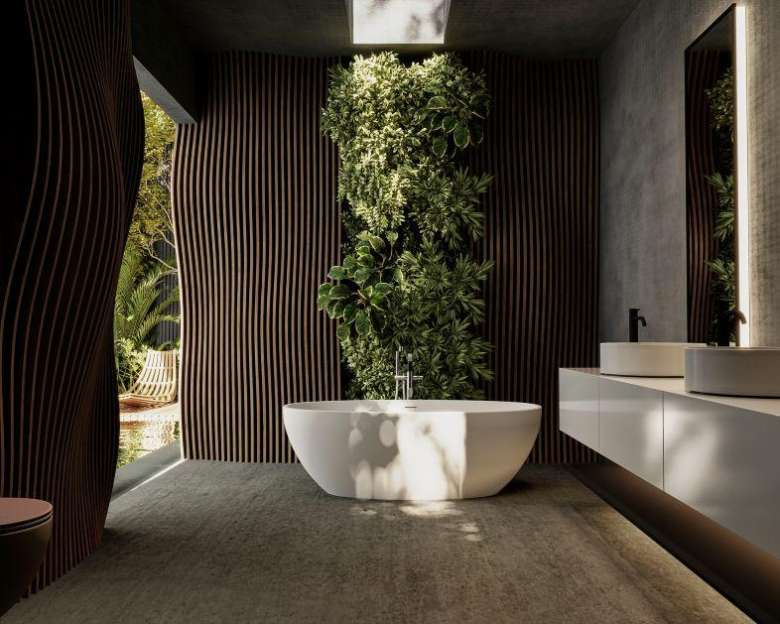
8. Eco-Conscious Design Choices
Sustainability is no longer a trend; it's a requirement. In 2026, people are choosing materials, furnishings, and fittings with low environmental impact. Whether it’s FSC-certified wood, natural paints, or UK-made furniture that reduces carbon footprint, buyers are more informed and intentional.
We’ve had more requests for recycled materials, natural fibres, and vintage or repurposed furniture - not just because they’re environmentally sound, but because they add a sense of history and individuality.
What’s On the Way Out in 2026?
- Overly grey interiors – cool greys are being replaced by warmer tones.
- Open shelving overload – especially in kitchens, where practicality is regaining priority.
- Glossy finishes – matt, honed, and textured surfaces are far more on trend.
- Fast furniture – clients are moving away from mass-produced, short-life pieces in favour of long-lasting quality.
FAQs: Interior Design Trends for 2026
What colours are trending in 2026 interiors?
Earthy tones such as terracotta, olive, rust, and warm neutrals are leading the way. These colours create a cosy, grounded atmosphere and work beautifully with natural materials.
Are minimalist interiors still popular in 2026?
Minimalism is evolving. While clutter-free spaces are still favoured, the look is becoming softer and more layered - incorporating texture, natural materials, and warm tones to avoid feeling cold or clinical.
What’s the most important trend for home updates in 2026?
Sustainability and comfort. Whether it’s choosing eco-friendly materials, investing in long-term pieces, or making a space more liveable, homes are being designed to reflect both our values and lifestyles.
Should I avoid grey interiors now?
Not entirely, but cooler greys are fading in popularity. If you love grey, consider warmer greige tones or mix it with natural materials and warmer accent colours to keep it feeling current.