





Absolute Journal
How to Keep Your Home Warm in Winter with Energy-Efficient Blinds
As temperatures drop and heating bills rise, many of us start thinking about ways to keep our homes warmer without constantly relying on central heating. One solution that’s often overlooked is something as simple as upgrading your window coverings. In our experience, the right blinds can make a genuine difference in how warm your rooms feel - and how much energy you use to heat them.
Windows are one of the main sources of heat loss in a home, especially older or single-glazed ones. While double glazing helps, a well-fitted blind acts as an extra barrier, reducing heat escape and cold air intrusion. We’ve worked with homeowners across a range of properties - from Victorian terraces to new-build flats - and have seen first-hand how energy-efficient blinds help maintain warmth and comfort during the winter months.
Why Windows Lose Heat in Winter
Even the best-glazed windows can’t match the insulation levels of solid walls. Glass naturally allows heat to pass through, and in winter, warm indoor air escapes while cold draughts seep in. This is particularly noticeable at night when temperatures fall and the heating is off. If your windows feel cold to the touch or if you regularly notice condensation, that’s a sign your windows are contributing to heat loss.
By adding a layer of insulation with the right type of blind, you can trap warm air inside and reduce reliance on radiators or electric heaters.
Types of Energy-Efficient Blinds for Winter Warmth
1. Cellular (Honeycomb) Blinds
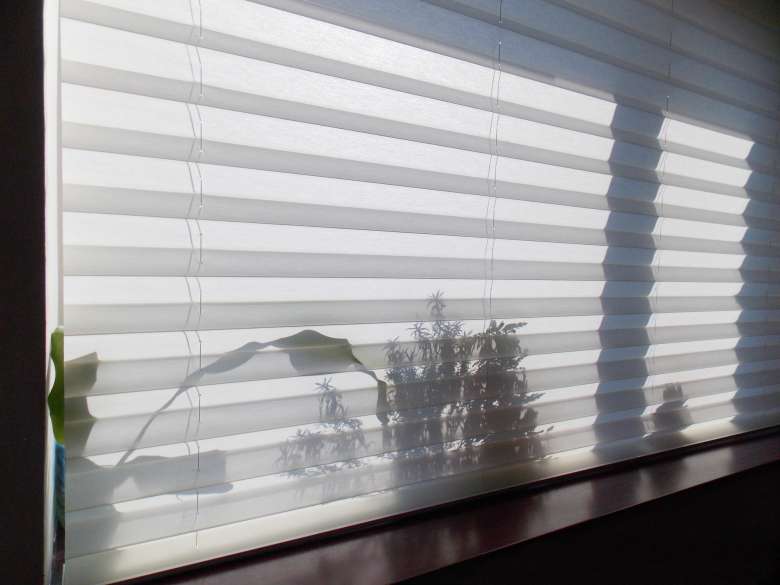
We often recommend cellular blinds to customers specifically looking for energy efficiency. Their unique honeycomb structure traps air within small pockets, creating an insulating barrier between the room and the window. This trapped air helps slow down heat loss and keeps the warmth where it belongs - inside.
These blinds are especially effective in conservatories, loft rooms, and any space with large expanses of glazing. We’ve installed double-cell versions in homes that previously struggled to retain heat, and the difference in comfort is immediately noticeable.
Explore our full blinds range to find cellular options suitable for winter use.
2. Roman Blinds with Thermal Lining
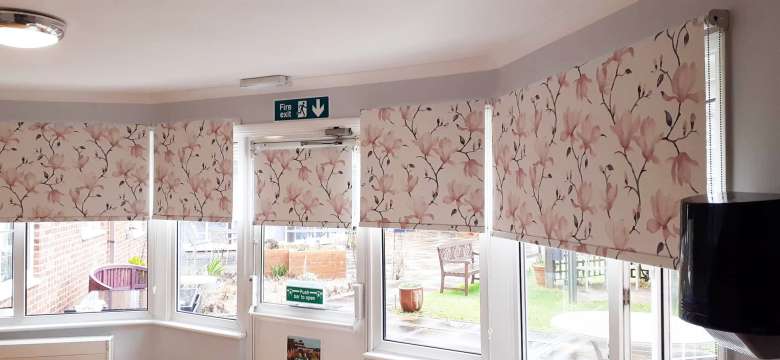
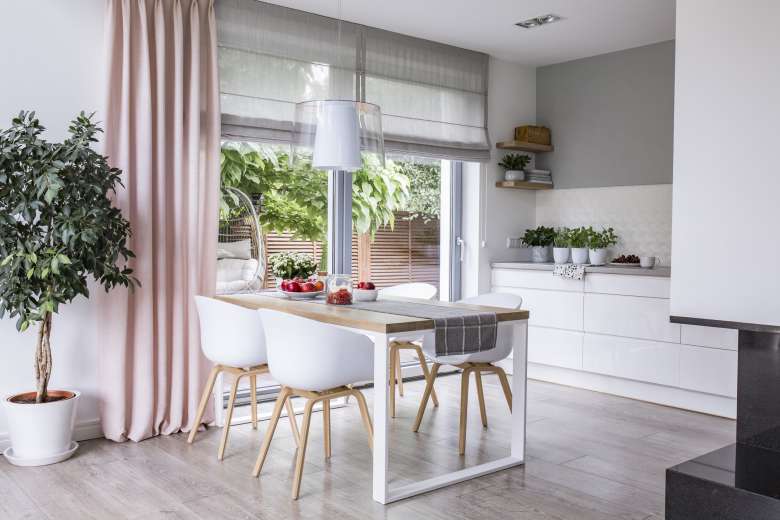
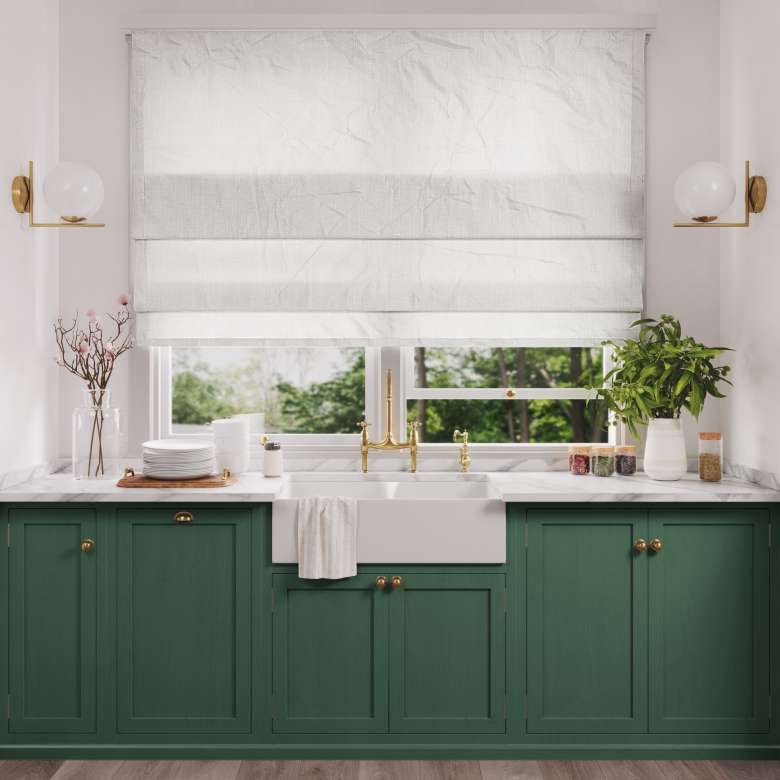
Roman blinds are a stylish way to add warmth to a room, particularly when made with heavier fabrics and a thermal lining. When lowered, they create a snug fit within the window recess, acting like a soft barrier that traps warm air.
We often use blackout or interlined fabrics for winter installations, as they not only keep out light but also help reduce draughts. Lined Roman blinds are particularly popular in bedrooms and sitting rooms where both warmth and aesthetic appeal are important. You can view available designs on our Roman blinds page.
3. Roller Blinds with Thermal Fabrics
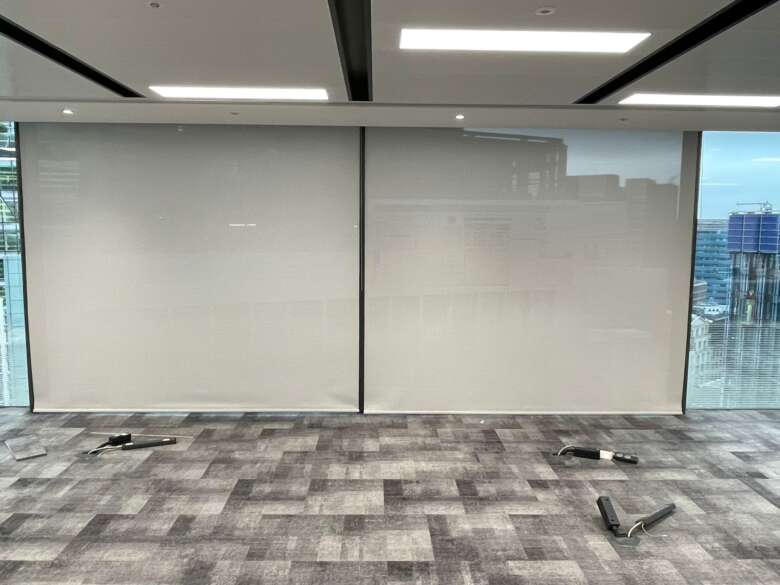
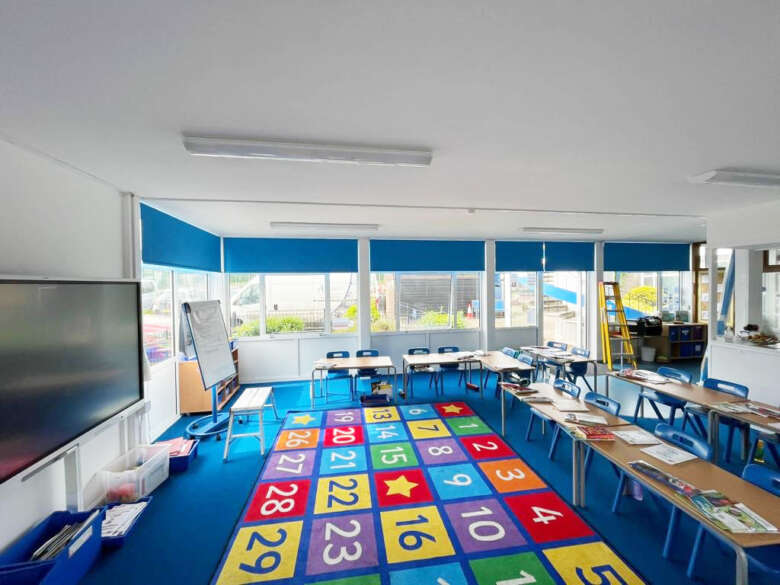
Roller blinds may look simple, but when made with a thermal or blackout fabric, they can offer decent insulation. They're a great option for kitchens and bathrooms where moisture resistance might also be a factor.
Look for thermal-coated fabrics or thicker materials that sit close to the glass. We’ve installed these in compact flats and rental properties as a quick and affordable way to reduce winter heat loss - without compromising on style. More details can be found on our roller blinds page.
Best Practices for Maximising Warmth with Blinds
Close Blinds Before Dark
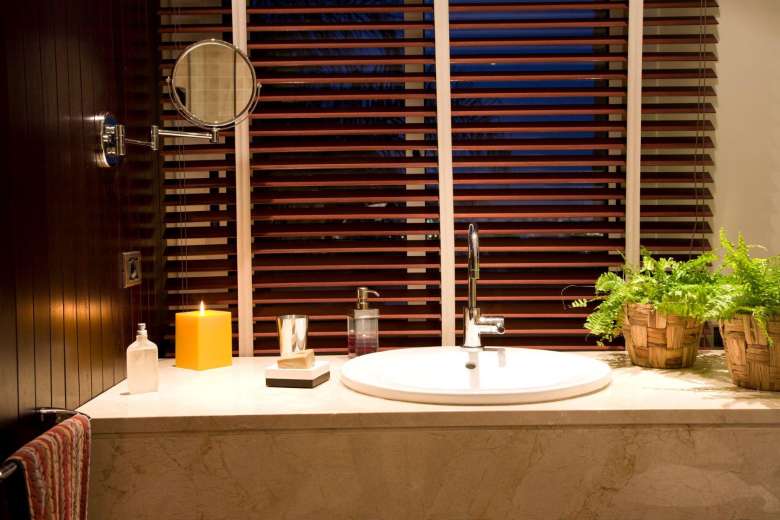
It might sound obvious, but closing blinds before sunset can have a big impact. As daylight fades, windows quickly become a major source of heat loss. Drawing your blinds early traps the day’s warmth inside and prevents draughts overnight.
We often advise customers to get into the habit of adjusting blinds as part of their daily routine - particularly in winter when every bit of retained heat counts.
Layer with Curtains or Secondary Blinds
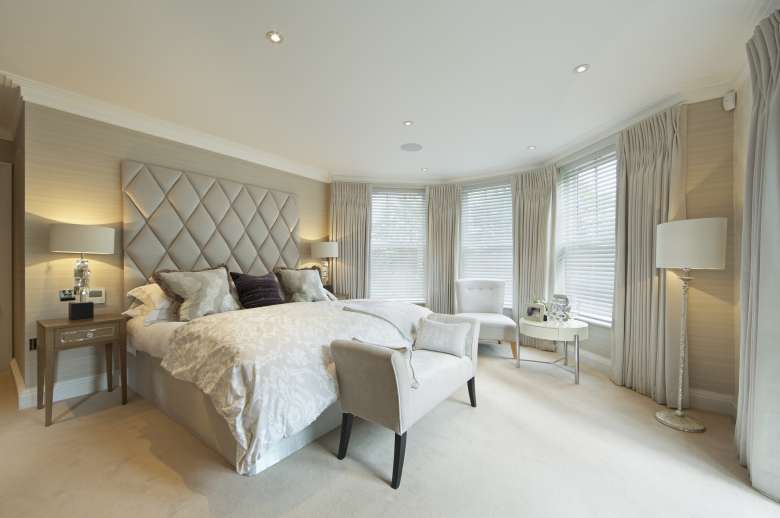
Pairing blinds with curtains can double the insulation. For example, Roman blinds paired with lined curtains can dramatically reduce heat loss and give a more luxurious feel to living spaces. We’ve seen this combination work especially well in older homes with large sash windows, where cold spots are common.
Ensure a Snug Fit
Energy efficiency isn’t just about the fabric - it’s about the fit. A well-installed blind should sit close to the window frame with minimal gaps at the sides. We take precise measurements for all our made-to-measure blinds to ensure the best possible seal against cold air.
Avoid off-the-shelf blinds that leave large gaps, especially on recessed windows - these let warm air escape and reduce the effectiveness of your insulation.
Upgrade Older Blinds
If your current blinds are worn, unlined, or poorly fitted, it might be time for an upgrade. Modern energy-efficient fabrics offer far better performance than older materials, especially when paired with insulating linings or specialised coatings.
We frequently work with customers updating their homes for energy efficiency purposes - and blinds are often one of the easiest and most cost-effective changes to make.
Benefits Beyond Warmth
While the primary goal might be staying warm, energy-efficient blinds also come with a few added benefits:
- Lower heating bills – by reducing heat loss, your boiler or heating system won’t have to work as hard
- Increased comfort – fewer draughts and more consistent indoor temperatures
- Better sleep – blackout-lined blinds also block early morning light and improve sleep quality
- Improved style – thermal blinds can be just as attractive as standard ones, especially when tailored to your décor
FAQs: Energy-Efficient Blinds in Winter
Do blinds really help keep heat in?
Yes. Blinds act as a barrier between warm indoor air and cold window panes. Insulating blinds, like cellular or lined Roman blinds, are particularly effective at reducing heat loss in winter.
Which blinds are best for keeping heat in?
Cellular (honeycomb) blinds and lined Roman blinds are among the best. Thermal roller blinds are also a good option for kitchens or bathrooms.
Should I use blinds and curtains together?
Yes, layering blinds with curtains increases insulation and provides better heat retention, especially in older homes or those with draughty windows.
Will blackout blinds help keep a room warm?
Blackout blinds can help retain heat, especially when the fabric is thick or has a thermal lining. However, the insulating performance depends on how well the blind fits the window.


