



Absolute Journal
Everything You Need to Know About Lined and Unlined Roman Blinds
Roman blinds are a timeless and versatile window dressing that we’ve fitted in countless homes over the years - from elegant period properties to modern family kitchens. One of the key decisions when choosing Roman blinds is whether to go for a lined or unlined version. While the difference might not be obvious at first glance, the choice between lined and unlined fabric affects much more than just how the blinds look. It can change how much light filters through, how well the room retains heat, and even how the fabric hangs over time.
We’ve seen how important this choice can be, especially when tailoring blinds to meet specific needs like blackout in bedrooms, added warmth in draughty areas, or a soft, ambient glow in living spaces. With the right combination of fabric and lining, Roman blinds can be as functional as they are stylish. So, if you’re unsure which version is best for your home, here’s what we’ve learned from years of experience fitting both lined and unlined Roman blinds.
What Is the Difference Between Lined and Unlined Roman Blinds?
At its simplest, lined Roman blinds feature an additional layer of fabric stitched to the back of the main fabric, while unlined blinds are made from a single layer of material. This lining plays a major role in how the blind performs in terms of light control, insulation, and durability.
The decision often comes down to the room they’ll be used in, the look you’re aiming to achieve, and how much function you want from your window dressing. Both options are available across our full Roman blinds range, and we’ll guide you through the best choice depending on your space.
Light Control and Room Darkening
Lined Roman Blinds – Better for Light Control and Privacy
Lined Roman blinds give you far greater control over how much light enters a room. Depending on the lining chosen - standard, blackout, or thermal - the fabric can completely block out daylight or simply soften it. This makes them ideal for bedrooms, nurseries, or media rooms where light exclusion is a priority.
We often recommend blackout-lined Roman blinds for bedrooms, especially in homes where street lighting can cause glare at night. The lining not only helps darken the room but also adds a layer of privacy, particularly in overlooked properties.
Unlined Roman Blinds – Soft Light, Airy Feel
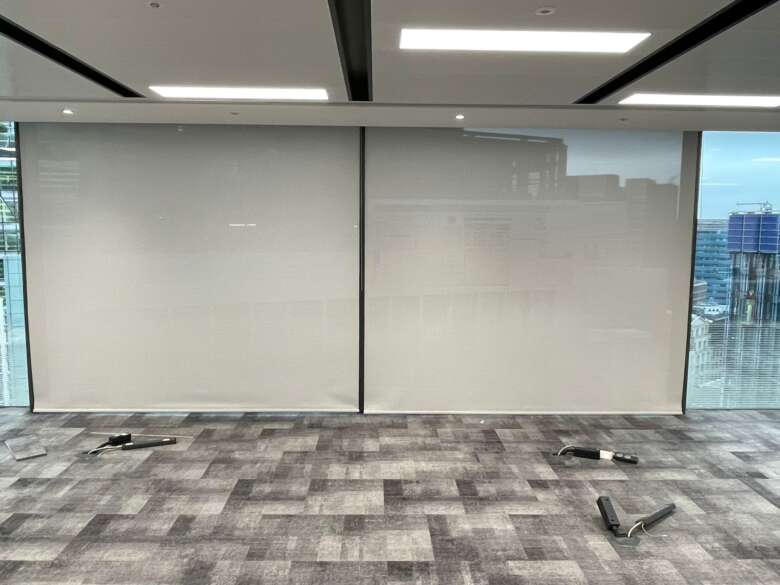
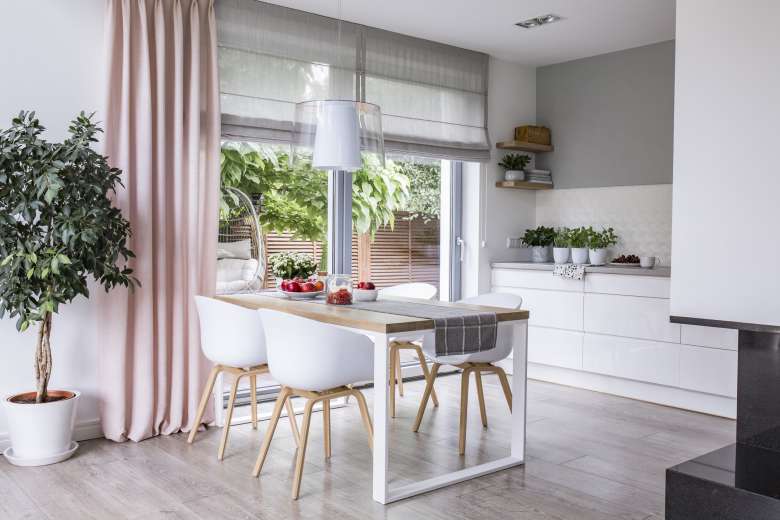
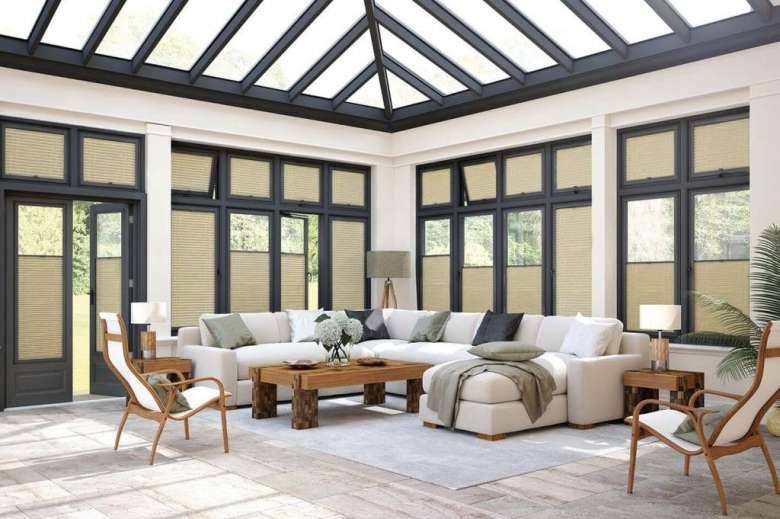
Unlined Roman blinds allow more light to filter through the fabric, making them perfect for spaces where you want to maintain brightness without the harshness of direct sunlight. These work well in kitchens, hallways, or garden rooms where a lighter atmosphere is more desirable.
The light filtering effect depends largely on the type of fabric you choose. A sheer or loosely woven fabric will create a diffused glow, while a denser cotton or linen will provide a bit more shade and privacy. We’ve fitted unlined Roman blinds in many living areas where the priority is to soften light rather than block it.
Insulation and Thermal Efficiency
Lined Roman Blinds – Improved Warmth and Heat Retention
One of the key functional benefits of lined Roman blinds is insulation. The extra layer helps trap heat during colder months and can reduce draughts, particularly on older or single-glazed windows. For homes looking to improve energy efficiency, a thermal or blackout lining can make a noticeable difference.
We often install lined Roman blinds in older properties where retaining heat is a concern. Customers consistently mention the improvement in warmth, especially when the blinds are fully closed on chilly evenings.
Unlined Roman Blinds – Minimal Insulation
Unlined blinds provide little to no insulation, so they’re less suited to rooms where heat retention is a concern. However, in spaces that get plenty of sun or don’t suffer from temperature fluctuations, they still serve a practical purpose. If you’re dressing a window that doesn’t need additional insulation, an unlined blind offers a lightweight and cost-effective solution.
Appearance and Fabric Drape
Lined Roman Blinds – Structured and Full Appearance
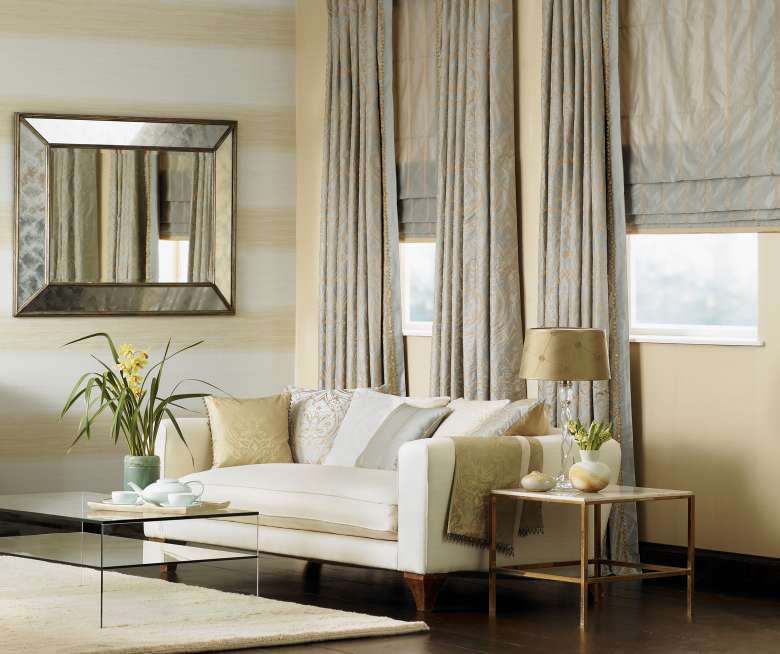
The addition of a lining gives Roman blinds a more structured, tailored finish. This helps the blind hold its shape better over time and creates a more substantial look. For formal spaces or traditional interiors, lined blinds often look more polished and finished.
We’ve found that lining also helps prevent the main fabric from fading in sunlight, which is important if you’re using more delicate or patterned materials. It also makes the blind feel more luxurious, especially when choosing high-end fabrics.
Unlined Roman Blinds – Casual and Lightweight Look
Unlined Roman blinds tend to have a softer, more relaxed appearance. The fabric folds may not be as crisp, but this can work beautifully in casual settings or minimalist interiors. If you're going for a light, breathable feel - particularly with natural fabrics like linen or voile - unlined blinds offer that simplicity.
Some clients opt for unlined blinds in rooms with a coastal or Scandinavian design style, where the focus is on keeping things light and natural.
Cost Considerations
Lined Roman Blinds – Higher Initial Investment
Because they require more fabric and craftsmanship, lined Roman blinds typically come at a higher price than unlined versions. However, they often last longer and offer added functionality, which can make them more cost-effective over time.
In our experience, the extra cost is often worth it if you need better insulation or blackout properties. Many customers choose lined Roman blinds for the rooms they spend the most time in - such as bedrooms or living rooms - and go for unlined options in secondary spaces.
Unlined Roman Blinds – More Affordable Option
Unlined blinds are generally more affordable and quicker to produce. If you’re looking to cover multiple windows or want to keep costs down, unlined Roman blinds are a good solution - especially in rooms where full blackout or insulation isn't required.
They can also be an excellent starting point if you're experimenting with bolder fabrics or patterns, as the simpler construction means fewer costs upfront.
Fabric Choice: What Works Best for Lined and Unlined Blinds?
The type of fabric you choose will influence the final look and performance of your blinds. Heavier fabrics like velvet, brocade or thick cotton benefit from a lining to help them drape correctly and protect from fading. Lightweight fabrics such as linen, voile or muslin are often best left unlined, as the lining can change the way they move and look.
We always recommend viewing fabric samples in natural daylight before deciding - what works for one room might not suit another. Our full Roman blinds collection includes options in both lined and unlined styles, with hundreds of fabric combinations available.
FAQs: Lined vs. Unlined Roman Blinds
Do lined Roman blinds block out all light?
Blackout-lined Roman blinds significantly reduce light, making them ideal for bedrooms. However, some light may still enter around the edges unless additional measures like side channels or curtains are used.
Are unlined Roman blinds suitable for bedrooms?
They can be, especially if you prefer a softer, ambient light in the morning. However, for full darkness, a blackout lining is usually the better option.
Which option lasts longer - lined or unlined Roman blinds?
Lined Roman blinds generally last longer due to the added support and protection the lining offers. They are less likely to fade or lose shape over time.
Can I add lining to existing Roman blinds?
It is sometimes possible to add a lining after installation, but it depends on how the original blind was made. We recommend consulting with a professional before attempting modifications.


